

Line25 is reader supported. At no cost to you a commission from sponsors may be earned when a purchase is made via links on the site. Learn more
Why Creative CV Design Matters More Than Ever
What makes one curriculum vitae memorable while another gets lost in a pile of applications? The answer lies in creative presentation that balances visual appeal with professional substance. Job seekers across industries are discovering that a creative curriculum vitae can be the difference between landing an interview and remaining invisible to hiring managers.
Traditional resume formats, while functional, often fail to capture the personality and unique value proposition that modern employers seek. Creative CV design ideas have evolved beyond simple formatting changes to encompass innovative layouts, strategic use of color, and thoughtful information architecture that guides the reader’s attention to key achievements.
This comprehensive guide explores ten exceptional creative curriculum vitae examples that demonstrate how professionals can differentiate themselves in competitive job markets. Whether someone works in graphic design, marketing, technology, or traditional corporate environments, these unique resume templates offer inspiration for creating documents that command attention while maintaining professional credibility.
Table of Contents
- The Infographic Style CV
- Timeline-Based Creative Design
- Portfolio-Integrated Resume
- Minimalist Modern Approach
- Industry-Specific Visual Elements
- Interactive Digital Format
- Color-Coded Skill Sections
- Photography-Enhanced Layout
- Geometric Pattern Design
- Multi-Panel Presentation
- Benefits of Creative CV Designs
- Frequently Asked Questions
The Infographic Style CV
The infographic approach transforms traditional curriculum vitae content into visually engaging data representations. This creative curriculum vitae style uses charts, graphs, and visual elements to present skills, experience, and achievements in an immediately digestible format.
Professional designers often employ bar charts to represent skill proficiency levels, pie charts for time allocation across different roles, and timeline graphics to showcase career progression. The key to successful infographic CVs lies in maintaining data accuracy while creating visual impact. Hiring managers can quickly assess qualifications through visual cues, making this format particularly effective for roles requiring analytical thinking or creative problem-solving.
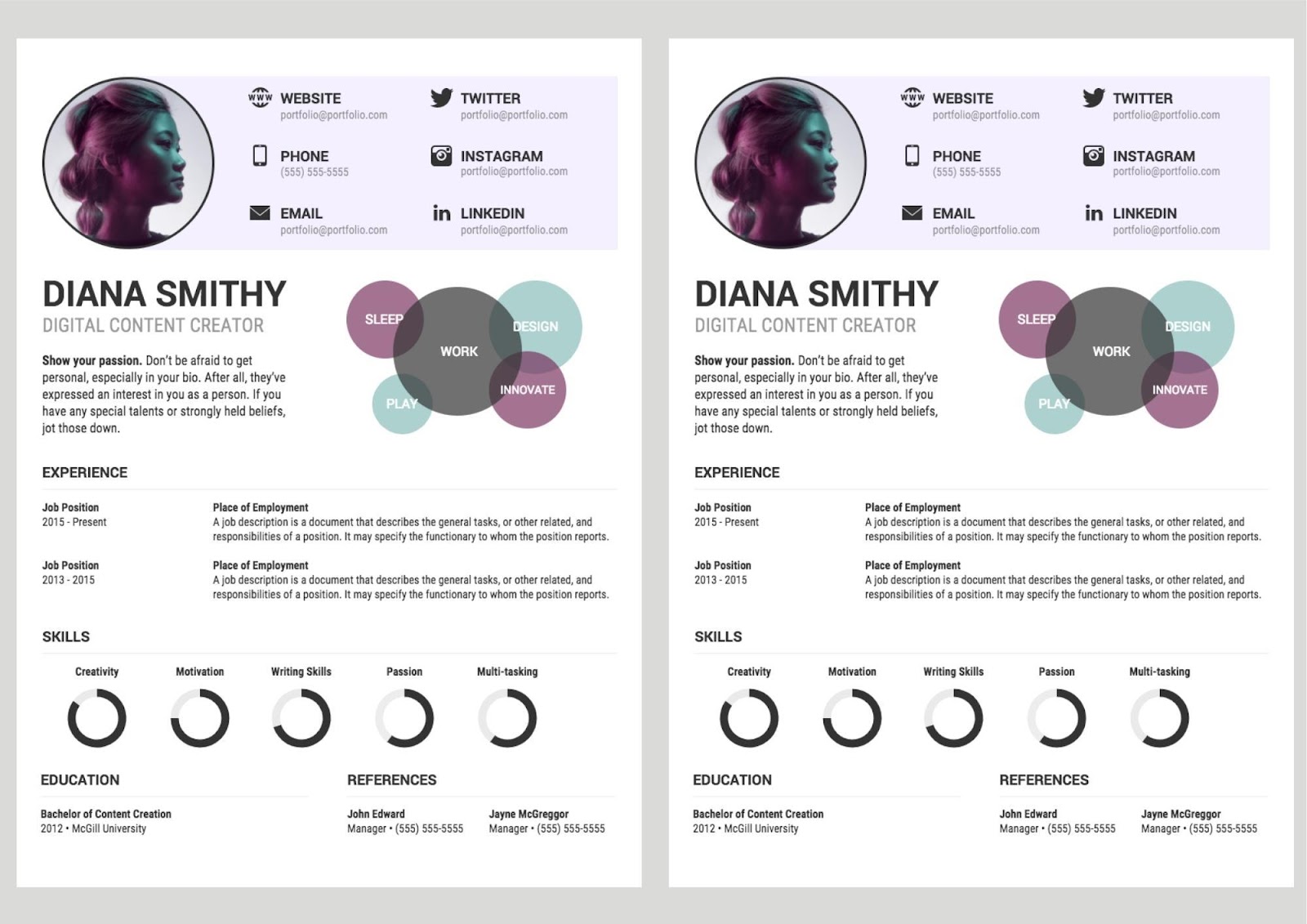
However, professionals considering this approach should ensure that the visual elements enhance rather than overshadow the actual content. The most effective infographic CVs use consistent color schemes, readable fonts, and logical information hierarchy that guides the reader through the candidate’s qualifications systematically.
Timeline-Based Creative Design
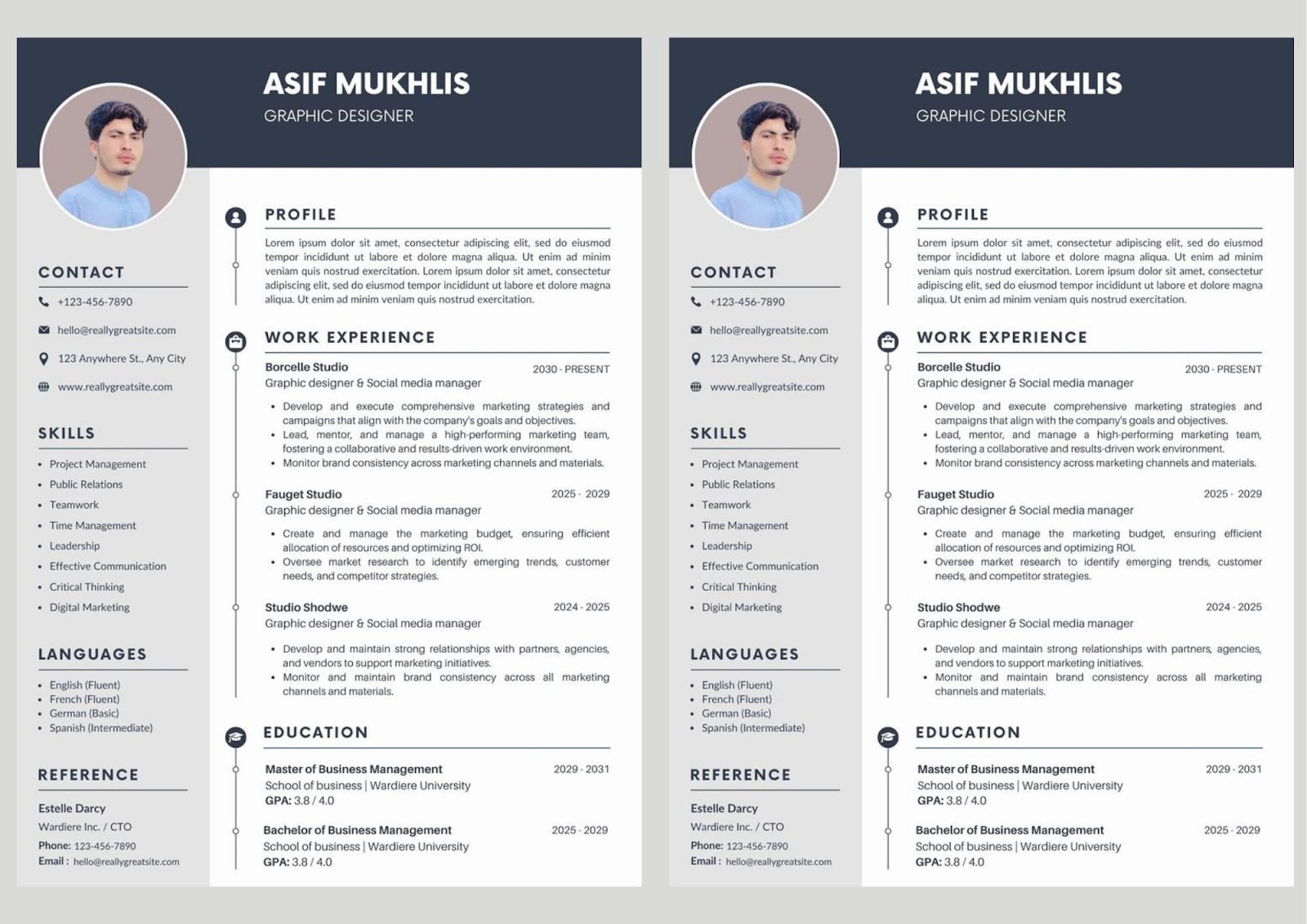
Timeline formats present career progression as a visual journey, making them ideal for professionals with diverse experience or career transitions. This creative CV design idea organizes information chronologically along a central axis, allowing hiring managers to understand career development at a glance.
The timeline approach works particularly well for professionals in project management, consulting, or roles requiring demonstrated growth over time. Each timeline point can include role titles, company names, key achievements, and relevant skills acquired during that period. Visual elements such as icons, color coding, or varying text sizes can highlight significant milestones or career achievements.
Modern CV templates incorporating timeline designs often include branching elements for education, certifications, or major projects that occurred parallel to employment. This comprehensive view helps hiring managers understand the full scope of a candidate’s professional development and commitment to continuous learning.
Portfolio-Integrated Resume
Creative professionals benefit significantly from portfolio-integrated resumes that combine traditional CV information with work samples. This approach is particularly valuable for graphic design CV templates, where visual work speaks louder than written descriptions of capabilities.
The portfolio-integrated format typically dedicates specific sections to showcase relevant projects, including brief descriptions of objectives, processes, and outcomes. Rather than simply listing responsibilities, this format demonstrates actual results and creative problem-solving abilities through tangible examples.
Effective portfolio CVs maintain balance between showcasing work and providing essential professional details. They include curated selections of best work rather than comprehensive portfolios, ensuring that each example directly supports the application for specific roles.
Minimalist Modern Approach
The minimalist approach to creative curriculum vitae design emphasizes clean lines, strategic white space, and sophisticated typography to create documents that feel contemporary and professional. This style appeals to hiring managers who appreciate elegance and clarity over elaborate visual effects.
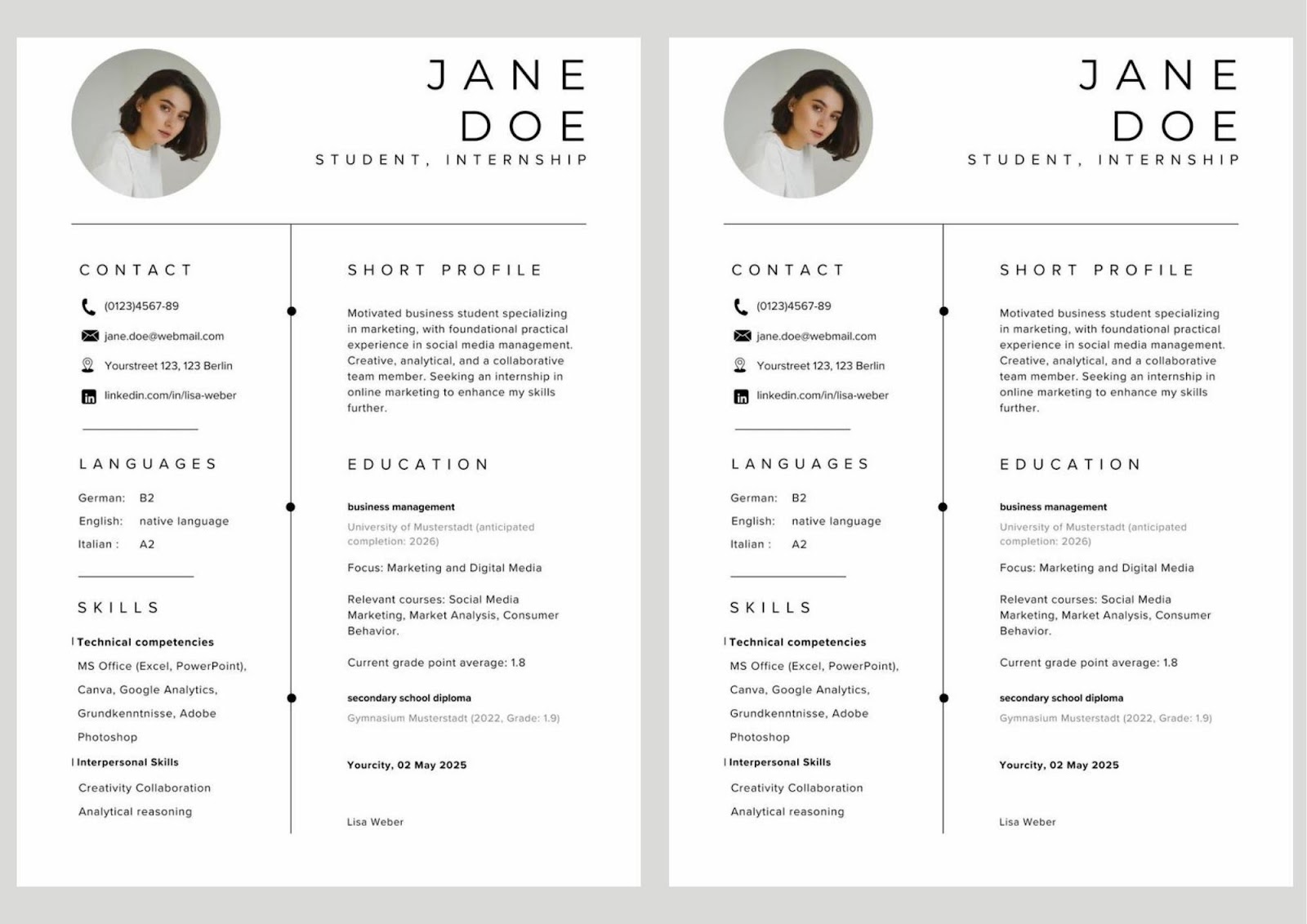
Minimalist designs rely on careful typography selection, with many professionals choosing two complementary fonts: one for headings and another for body text. Color usage remains restrained, often featuring one or two accent colors that align with personal branding or industry standards.
The power of minimalist CVs lies in their ability to highlight content through thoughtful design rather than decorative elements. Strategic use of white space draws attention to key information, while consistent formatting creates a cohesive, professional appearance that works across industries.
Industry-Specific Visual Elements
Tailoring creative CV designs to specific industries demonstrates understanding of professional culture and expectations. Healthcare professionals might incorporate subtle medical iconography, while technology professionals could use circuit board patterns or coding-inspired design elements.
Industry-specific designs require careful balance between creativity and professional appropriateness. The goal is to show industry knowledge and cultural fit while maintaining broad appeal to diverse hiring managers within that field.
Financial services professionals might choose conservative color palettes with subtle geometric patterns, while creative professionals in advertising or media can explore bolder visual approaches. Understanding industry norms helps ensure that creative choices enhance rather than hinder application success.
Interactive Digital Format
Digital CVs offer opportunities for interactivity that traditional formats cannot match. Interactive elements might include clickable sections that expand to show additional details, embedded videos introducing the candidate, or links to relevant work samples and references.
These unique resume templates work particularly well for technology professionals, digital marketers, or anyone applying for roles where digital fluency is essential. Interactive CVs can demonstrate technical skills while providing engaging user experiences that set candidates apart from traditional applications.
However, professionals should ensure that interactive elements enhance rather than complicate the user experience. The most effective digital CVs remain accessible across devices and platforms while providing clear navigation and fast loading times.
Color-Coded Skill Sections
Strategic color usage can transform standard curriculum vitae sections into visually organized, easy-to-navigate documents. Color-coded designs typically assign specific colors to different skill categories, experience levels, or types of achievements.
This approach helps hiring managers quickly locate relevant information while creating visual interest. For example, technical skills might appear in blue, leadership experience in green, and educational achievements in purple. Consistent color application throughout the document creates cohesive design while improving readability.
Successful color-coded CVs use colors that work well together and remain professional across different viewing contexts. Many professionals choose colors that align with their personal branding or the visual identity of their target industry.
Photography-Enhanced Layout
Professional photography can add personality and memorability to creative curriculum vitae designs when used thoughtfully. High-quality headshots, work environment photos, or images of completed projects can humanize applications while demonstrating professionalism.
Photography-enhanced CVs work particularly well for professionals in client-facing roles, creative industries, or positions requiring strong personal branding. The key lies in selecting images that support rather than distract from the core message of professional competence.
Quality standards for CV photography should match those expected in professional portfolios. Images should be well-lit, properly cropped, and contextually relevant to the role being pursued. Overly casual or poorly executed photography can detract from otherwise strong applications.
Geometric Pattern Design
Geometric patterns offer sophisticated ways to add visual interest while maintaining professional credibility. These modern CV templates might incorporate subtle background patterns, geometric section dividers, or pattern-based infographics to present information creatively.
The geometric approach works well across industries because it suggests order, precision, and attention to detail. Patterns can be subtle background elements or more prominent design features, depending on the professional context and role requirements.
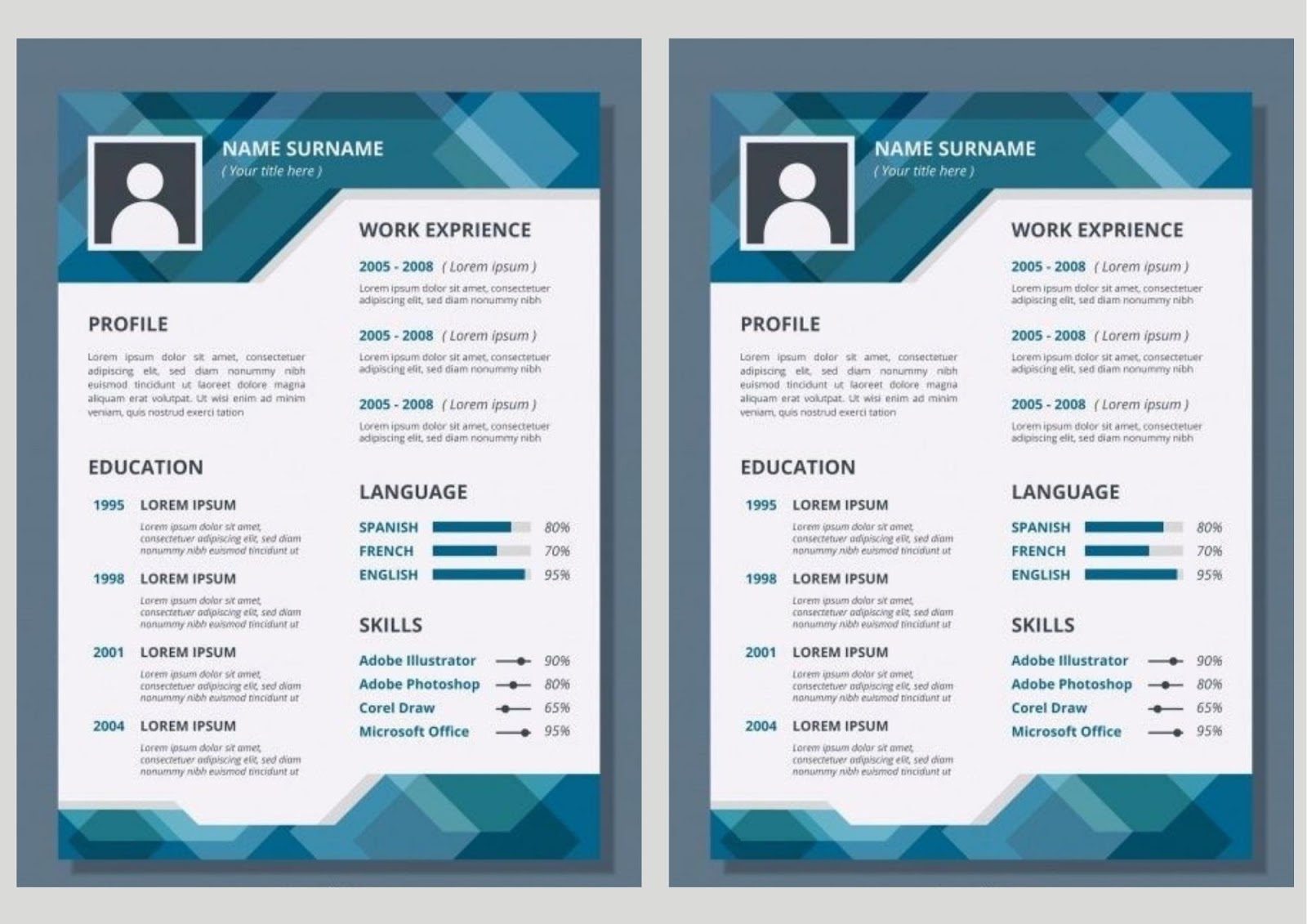
Effective geometric designs maintain readability while adding visual sophistication. The patterns should complement rather than compete with text content, ensuring that key information remains easily accessible to hiring managers.
Multi-Panel Presentation
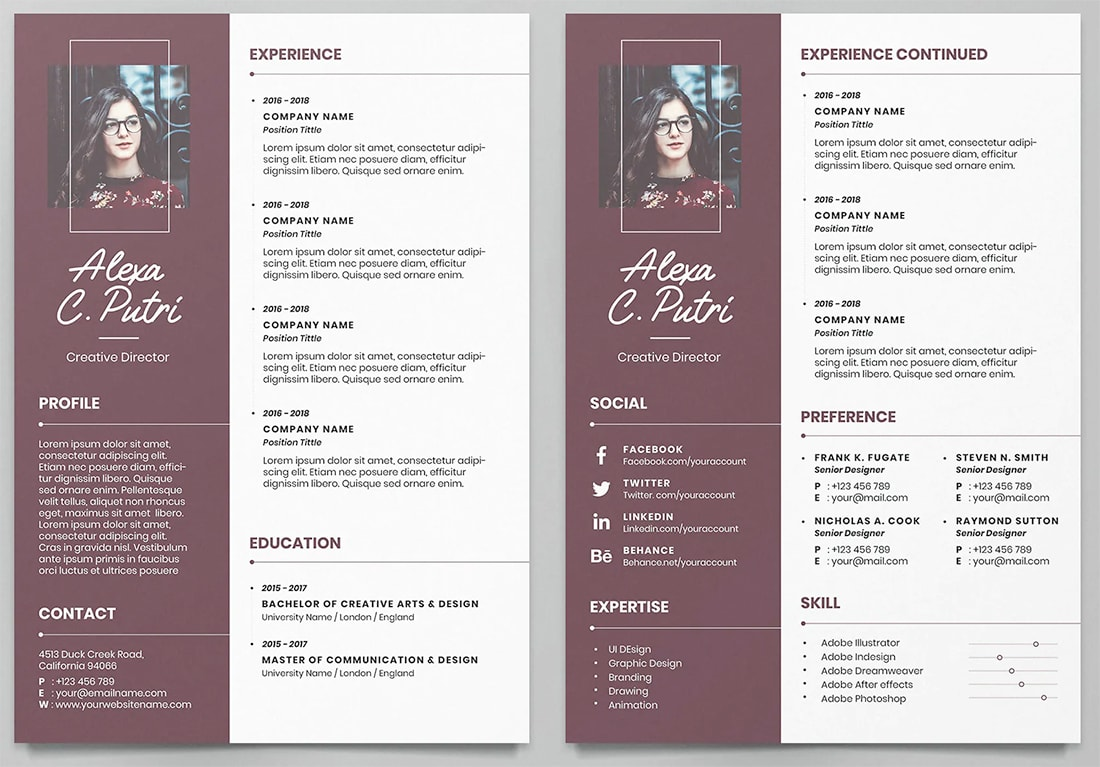
Multi-panel formats organize curriculum vitae content into distinct visual sections, creating layouts reminiscent of magazine spreads or infographic designs. This approach allows for creative information organization while maintaining clear content hierarchy.
Each panel can focus on specific aspects of professional qualifications: one for experience, another for skills, a third for education and certifications. This organization helps hiring managers process information systematically while creating visually engaging documents.
The multi-panel approach works particularly well for professionals with diverse backgrounds or those seeking roles that require varied skill sets. Clear panel organization helps prevent information overload while showcasing the breadth of qualifications effectively.
Benefits of Creative CV Designs
Creative curriculum vitae designs offer numerous advantages for modern job seekers. They demonstrate initiative, creativity, and willingness to go beyond minimum requirements – qualities that many employers value highly. Well-executed creative CVs also improve memorability, helping candidates stand out in competitive application pools.
Visual organization inherent in creative designs often improves readability and information processing for hiring managers. Rather than scanning dense text blocks, reviewers can quickly identify relevant qualifications through thoughtful design elements and clear information hierarchy.
Creative CVs also provide opportunities for personal branding that traditional formats cannot match. Consistent color schemes, typography choices, and design elements can reinforce professional identity while demonstrating attention to detail and design sensibility.
However, the most significant benefit lies in demonstrating problem-solving abilities and innovative thinking. Employers increasingly seek candidates who can approach challenges creatively, and a well-designed CV provides immediate evidence of these capabilities.
Frequently Asked Questions
What industries are most receptive to creative curriculum vitae designs?
Creative industries such as advertising, graphic design, marketing, and media typically embrace innovative CV formats. Technology companies, startups, and progressive organizations across sectors also tend to appreciate creative approaches. However, traditional industries like finance, law, and government may prefer more conservative formats.
How can professionals ensure their creative CVs remain ATS-friendly?
Applicant Tracking Systems often struggle with complex designs, so professionals should maintain simple text versions alongside creative formats. Using standard fonts, avoiding text within images, and maintaining clear section headers helps ensure compatibility with automated screening systems.
What are the biggest mistakes to avoid in creative CV design?
Common mistakes include prioritizing aesthetics over readability, using inappropriate color combinations, including irrelevant design elements, and creating overly complex layouts that distract from content. The goal should always be enhancing rather than overshadowing professional qualifications.
Should creative CVs be longer than traditional formats?
Length should depend on content relevance rather than format creativity. Most effective CVs, regardless of design approach, remain between one and two pages. Creative elements should help organize and present information more effectively, not extend document length unnecessarily.
How often should professionals update their creative CV designs?
CV designs should evolve with career progression and industry trends. Annual reviews ensure that visual elements remain current and appropriate. Major career transitions or significant skill development may warrant more substantial design updates to reflect new professional positioning.
Making Your Creative Curriculum Vitae Work
Creative curriculum vitae examples demonstrate that professional presentation extends far beyond traditional formatting constraints. The most successful creative CVs balance innovation with functionality, ensuring that visual elements enhance rather than hinder communication of professional qualifications.
Professionals considering creative approaches should begin by understanding their target industry’s expectations and cultural norms. While creativity can differentiate candidates positively, inappropriate design choices can eliminate opportunities before content receives consideration.
The ten creative CV examples outlined here provide starting points for developing personalized approaches that reflect individual professional brands while meeting industry standards. Whether incorporating subtle creative elements or embracing bold visual designs, the key lies in maintaining focus on demonstrating value to potential employers.
Ready to transform your professional presentation? Start by selecting design elements that align with your industry and personal brand, then gradually incorporate creative features that enhance rather than overshadow your qualifications. Remember that the most effective creative curriculum vitae designs serve the ultimate goal of securing interviews and advancing career objectives.