
Line25 is reader supported. At no cost to you a commission from sponsors may be earned when a purchase is made via links on the site. Learn more
The Evolution of Visual Communication
What makes a brand memorable in an increasingly visual world? The answer lies in understanding and implementing the latest graphic design trends that resonate with contemporary audiences. As brands compete for attention across digital and physical spaces, graphic design trends 2025 are emerging as powerful tools that define how companies communicate their values and connect with their target markets.
The future of graphic design is being shaped by technological advances, cultural shifts, and evolving consumer preferences. Designers and brand managers must stay ahead of these developments to create compelling visual identities that stand out in crowded marketplaces. This comprehensive guide explores the most significant trends that will influence modern graphic design styles and brand aesthetics throughout 2025 and beyond.
Table of Contents
- Bold Color Psychology and Graphic Design Color Trends 2025
- Revolutionary Typography Trends in Graphic Design
- Minimalist Maximalism: Balancing Simplicity and Impact
- Sustainable Design Aesthetics
- Retro-Futurism and Nostalgic Modernism
- Interactive and Dynamic Visual Elements
- Inclusive Design and Cultural Sensitivity
- Frequently Asked Questions
- Conclusion
Bold Color Psychology and Graphic Design Color Trends 2025
Color continues to serve as one of the most powerful elements in visual communication, and graphic design color trends 2025 are pushing boundaries in unexpected ways. Designers are embracing bolder, more saturated palettes that command attention while maintaining psychological impact.
Earthy Maximalism represents a significant shift from previous years’ muted tones. Rich terracotta, deep forest greens, and warm amber shades create grounding effects while maintaining visual energy. These colors work particularly well for brands seeking to convey authenticity and environmental consciousness.
Electric Gradients are making a strong comeback, but with more sophistication than previous iterations. Rather than simple linear transitions, designers are creating complex, multi-directional gradients that add depth and dimension to flat design elements. These gradients often incorporate unexpected color combinations that create memorable brand experiences.
Monochromatic Sophistication involves exploring single color families in greater depth. Brands are discovering that limiting their palette to various shades, tints, and tones of one primary color can create more cohesive and memorable visual identities.
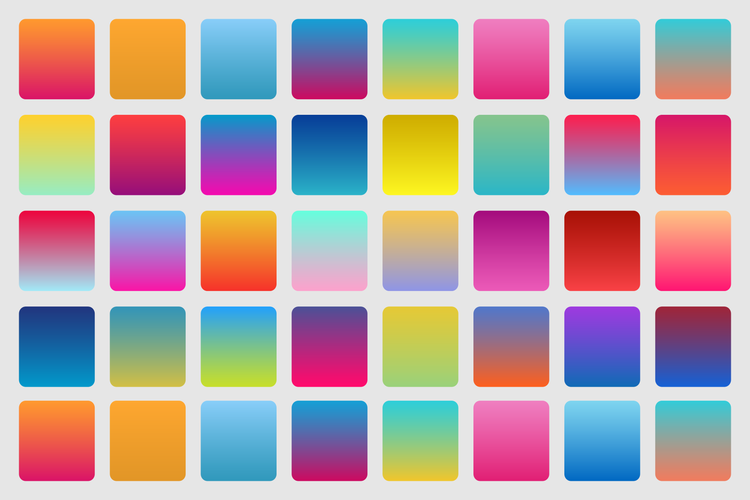
The psychology behind these color choices reflects broader cultural movements toward authenticity, sustainability, and digital escapism. Brands implementing these color strategies report increased engagement and stronger emotional connections with their audiences.
Revolutionary Typography Trends in Graphic Design
Typography trends in graphic design are experiencing a renaissance as designers balance readability with creative expression. The latest approaches challenge traditional hierarchy while maintaining functional communication.
Variable Font Exploration allows designers to create custom letterforms that adapt to different contexts and screen sizes. This technology enables more personalized brand experiences while maintaining consistency across platforms. Variable fonts offer infinite possibilities for weight, width, and stylistic variations within a single font file.
Experimental Serif Revival sees traditional serif typefaces being reimagined with contemporary twists. Designers are modifying classic letterforms with unexpected elements like disconnected serifs, irregular baselines, or geometric modifications that create distinctive brand personalities.
Kinetic Typography Integration brings text to life through subtle animations and micro-interactions. These moving elements help guide user attention and create more engaging digital experiences without overwhelming the core message.
Mixed-Scale Hierarchies involve combining extremely large display text with much smaller supporting elements. This approach creates dramatic visual contrast while ensuring clear information hierarchy. The technique works particularly well for headlines and call-to-action elements.
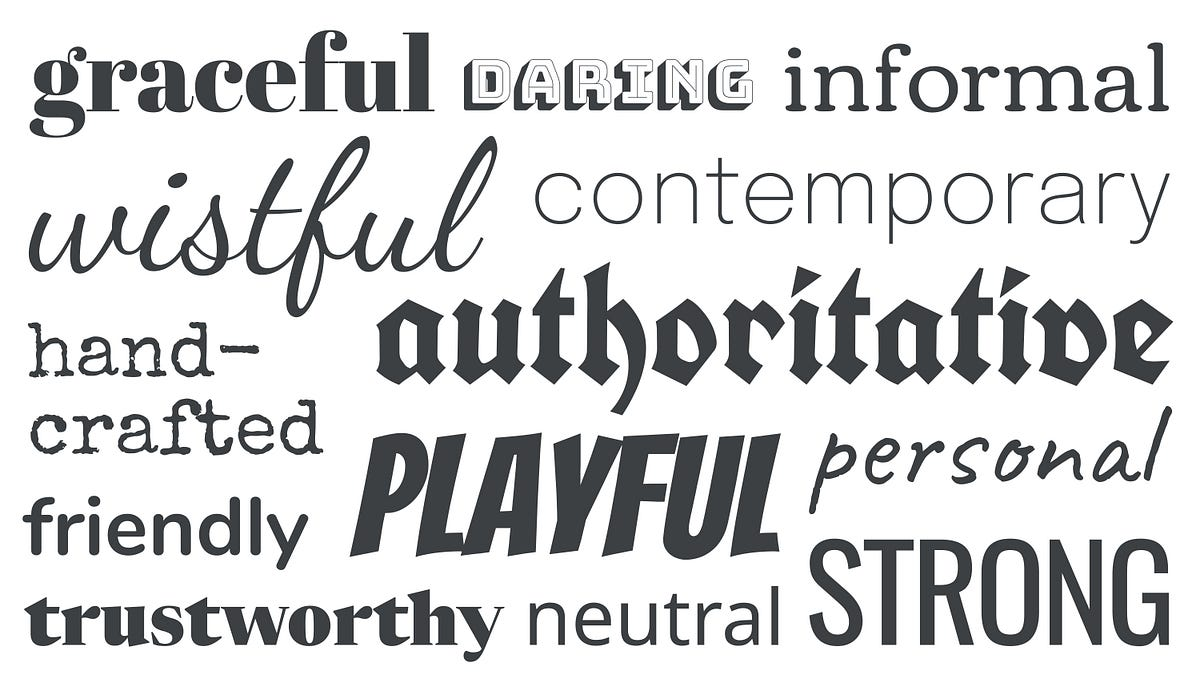
These typography innovations reflect the growing importance of text as a visual element rather than merely informational content. Brands leveraging these trends create more memorable and engaging communication materials.
Minimalist Maximalism: Balancing Simplicity and Impact
Modern graphic design styles are embracing an apparent contradiction: minimalist maximalism. This approach combines clean, uncluttered layouts with bold, impactful elements that demand attention.
Strategic White Space Usage involves deliberately placing negative space to guide viewer attention and create breathing room around key elements. Rather than filling every available space, designers are using emptiness as a design element that enhances overall composition effectiveness.
Bold Geometric Shapes serve as focal points within otherwise minimal layouts. These shapes often incorporate the year’s trending colors and create strong visual anchors that support brand messaging. The key lies in using these elements sparingly but with maximum impact.
Selective Detail Complexity means choosing specific areas within a design to showcase intricate details while keeping the overall composition clean. This might involve highly detailed illustrations within simple layouts or complex patterns used as accent elements.
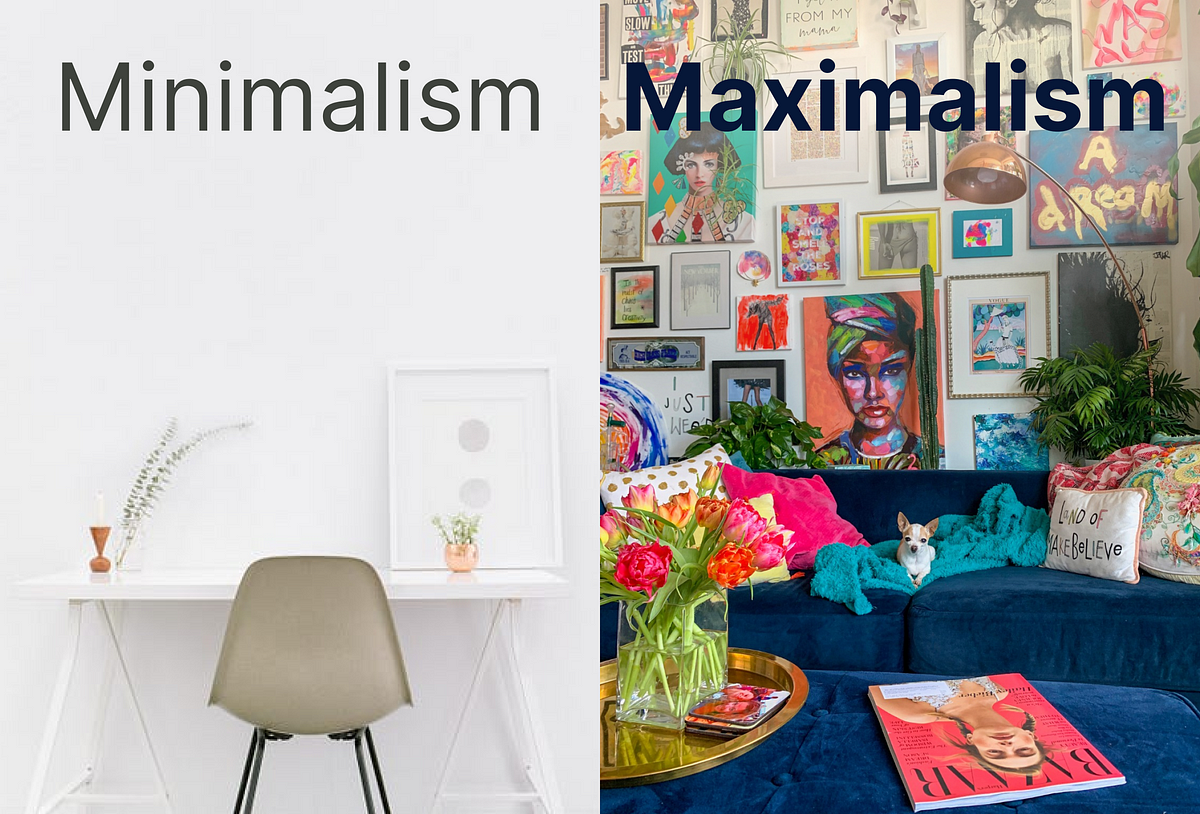
This balanced approach allows brands to maintain sophisticated aesthetics while ensuring their messages cut through information overload. The trend reflects consumer preference for clear communication combined with memorable visual experiences.
Sustainable Design Aesthetics
Environmental consciousness is influencing latest graphic design trends through both visual choices and production methods. Sustainable design aesthetics communicate brand values while reducing environmental impact.
Organic Shape Integration draws inspiration from natural forms and processes. Flowing lines, irregular shapes, and biomimetic patterns connect brands with environmental themes while creating distinctive visual identities. These elements work particularly well for companies in wellness, food, and environmental sectors.
Recycled Visual Elements involve repurposing existing design components in new contexts. This approach reduces creation time while developing unique aesthetic languages. Designers are finding creative ways to transform stock photography, vintage illustrations, and archival materials into contemporary brand assets.
Earth-Tone Palettes emphasize colors found in natural environments. Browns, greens, and muted blues create calming effects while reinforcing environmental messaging. These palettes work across various industries and demographic segments.
The sustainable design movement extends beyond visual aesthetics to include production considerations like digital-first approaches, reduced print runs, and environmentally friendly printing methods.
Retro-Futurism and Nostalgic Modernism
The future of graphic design often looks backward for inspiration, creating compelling combinations of vintage aesthetics with contemporary functionality. Retro-futurism captures optimistic visions of tomorrow through yesterday’s lens.
Y2K Aesthetic Revival brings back late 1990s and early 2000s design elements with modern sophistication. Metallic textures, gradient meshes, and digital artifacts create nostalgic connections while feeling fresh to younger audiences. This trend works particularly well for technology and entertainment brands.
Art Deco Modernization updates 1920s design principles with contemporary applications. Bold geometric patterns, luxurious color combinations, and dramatic typography create sophisticated brand identities that convey quality and craftsmanship.
Vintage Photography Integration combines archival imagery with modern layout techniques. This approach creates authentic brand stories while maintaining contemporary relevance. The key lies in selecting historical elements that support rather than overshadow current messaging.
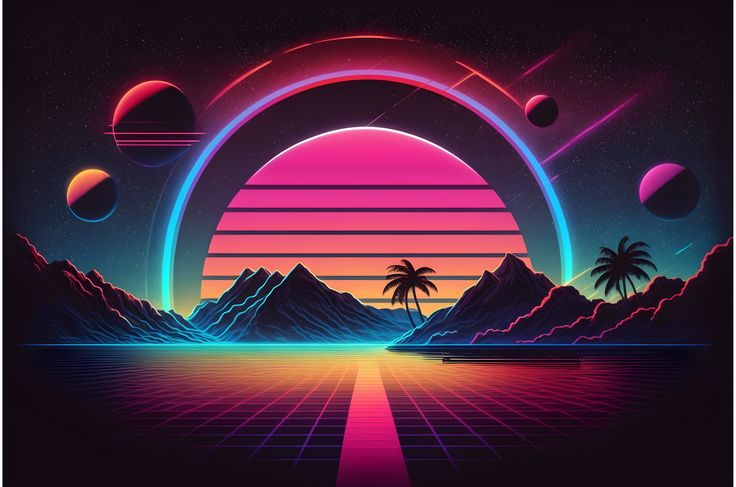
These nostalgic approaches tap into emotional connections while providing distinctive alternatives to purely contemporary aesthetics. Brands using these trends often report stronger emotional engagement and improved brand recall.
Interactive and Dynamic Visual Elements
Digital platforms are driving innovation in graphic design through interactive and animated elements that enhance user engagement. These dynamic approaches transform static designs into immersive experiences.
Micro-Animation Integration involves subtle movements that guide attention and provide feedback. These small animations enhance user experience without creating distraction. Examples include hover effects, loading animations, and transitional elements that smooth navigation between content sections.
Parallax Scrolling Effects create depth and movement as users navigate through content. When implemented thoughtfully, these effects enhance storytelling and create memorable browsing experiences. The technique works particularly well for product launches and brand storytelling.
Interactive Infographics transform data visualization into engaging experiences. Users can explore information at their own pace while discovering relevant details. This approach increases information retention and encourages deeper engagement with brand content.
The success of dynamic elements depends on purposeful implementation that enhances rather than distracts from core messaging. Brands must balance innovation with usability to create effective interactive experiences.
Inclusive Design and Cultural Sensitivity
Contemporary graphic design prioritizes accessibility and cultural representation, ensuring visual communication reaches diverse audiences effectively. Inclusive design principles are becoming standard practice rather than optional considerations.
Universal Color Accessibility involves selecting palettes that work for users with various visual abilities. This includes sufficient contrast ratios, colorblind-friendly combinations, and alternative visual cues beyond color alone. These considerations expand audience reach while demonstrating social responsibility.
Diverse Representation in imagery and illustration reflects global audience diversity. Brands are moving beyond token representation toward authentic inclusion that resonates with various demographic groups. This approach builds stronger connections with broader markets.
Cultural Symbol Sensitivity requires understanding how visual elements translate across different cultural contexts. Global brands must navigate complex cultural meanings while maintaining consistent visual identities. This challenge has led to more research-driven design approaches.
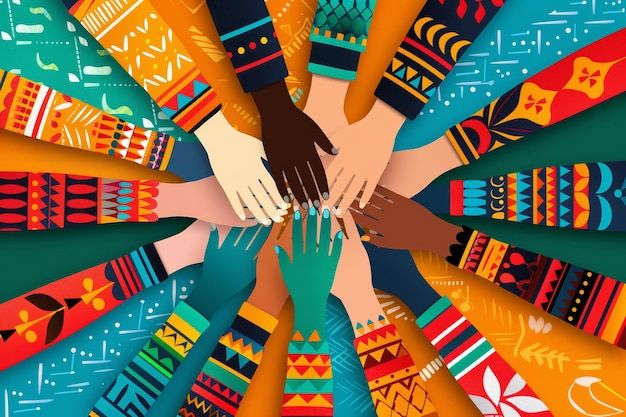
Inclusive design practices benefit both social responsibility goals and business outcomes by expanding market reach and building stronger brand loyalty among diverse consumer groups.
Frequently Asked Questions
What are the most important graphic design trends 2025 for small businesses?
Small businesses should focus on sustainable design aesthetics, bold color choices, and clean typography that can be implemented cost-effectively across various platforms. These trends provide maximum impact while remaining budget-friendly.
How do latest graphic design trends affect brand consistency?
Modern graphic design styles emphasize adaptable brand systems rather than rigid templates. This flexibility allows brands to incorporate trending elements while maintaining core identity components that ensure recognition across all touchpoints.
Which typography trends in graphic design work best for digital platforms?
Variable fonts and kinetic typography offer the most versatility for digital applications. These approaches enhance user experience while maintaining readability across different devices and screen sizes.
How can brands implement graphic design color trends 2025 without alienating existing customers?
Gradual implementation through accent colors, seasonal campaigns, or specific product lines allows brands to test new palettes while maintaining familiar core elements. This approach minimizes risk while exploring contemporary color trends.
What role does sustainability play in the future of graphic design?
Sustainable design considerations are becoming standard practice, influencing both aesthetic choices and production methods. Brands that ignore environmental impact risk appearing outdated to increasingly conscious consumers.
Embracing Innovation While Maintaining Purpose
The graphic design trends 2025 landscape reveals an industry balancing innovation with responsibility, creativity with accessibility, and boldness with sustainability. These emerging patterns reflect broader cultural shifts toward environmental consciousness, social inclusion, and authentic communication.
Successful implementation of these trends requires understanding their underlying principles rather than simply copying surface aesthetics. Brands that thoughtfully integrate these approaches while maintaining their core identity will create more meaningful connections with their audiences.
The future of graphic design lies in purposeful innovation that serves both business objectives and social responsibility. By embracing these trends strategically, organizations can create visual communications that not only stand out in crowded markets but also contribute positively to cultural conversations.
To stay ahead of these trends, creative professionals can also explore premium resource marketplaces like Artixty, which offers cutting-edge Photoshop actions, photo effect bundles, and design assets aligned with contemporary aesthetics. Their Pro Subscription gives designers access to fresh, trend-forward bundles every month, making it easy to experiment with new visual styles as they emerge.
Ready to transform your brand’s visual identity? Consider partnering with design professionals who understand these emerging trends and can implement them effectively within your unique brand context. The investment in contemporary design approaches will pay dividends through improved audience engagement and stronger market positioning.