

Line25 is reader supported. At no cost to you a commission from sponsors may be earned when a purchase is made via links on the site. Learn more
What Makes Website Design Actually Convert Visitors?
Does website design really impact conversion rates? Research shows that users form opinions about websites within 50 milliseconds of landing on a page. This split-second judgment directly influences whether visitors stay, engage, or convert into customers. By looking at high-converting web design examples, it’s clear that strategic design decisions play a key role in guiding user behavior.
Professional businesses understand that effective web design examples serve as blueprints for success. Modern web design examples demonstrate how visual hierarchy, user experience, and conversion optimization work together. This article examines creative website design examples from successful brands, analyzes responsive web design examples that perform across devices, and reveals the specific elements that make the best website design examples 2025 so effective.

Table of Contents
- Key Elements That Drive Conversion in Web Design
- Professional Website Design Examples by Industry
- Modern Web Design Examples with High Conversion Rates
- Creative Website Design Examples That Stand Out
- Responsive Web Design Examples for Every Device
- Best Website Design Examples 2025: Current Trends
- How to Implement These Design Strategies
- Frequently Asked Questions
Key Elements That Drive Conversion in Web Design
Successful web design examples share several fundamental characteristics that consistently drive conversions. Understanding these elements helps businesses create websites that not only look appealing but also generate measurable results.
Visual Hierarchy and Flow Top-performing websites guide visitors through a logical progression. The most effective web design examples use size, color, and positioning to direct attention toward conversion goals. Primary call-to-action buttons receive the most visual weight, while secondary elements support the main objective without competing for attention.
Loading Speed and Performance Modern web design examples prioritize speed optimization. Websites that load within two seconds see significantly higher conversion rates than slower alternatives. Professional website design examples demonstrate how compressed images, optimized code, and efficient hosting contribute to performance.
Trust Signals and Social Proof Creative website design examples incorporate trust elements strategically throughout the user journey. Customer testimonials, security badges, partner logos, and review scores build credibility. The placement and presentation of these elements can increase conversion rates by up to 34%.
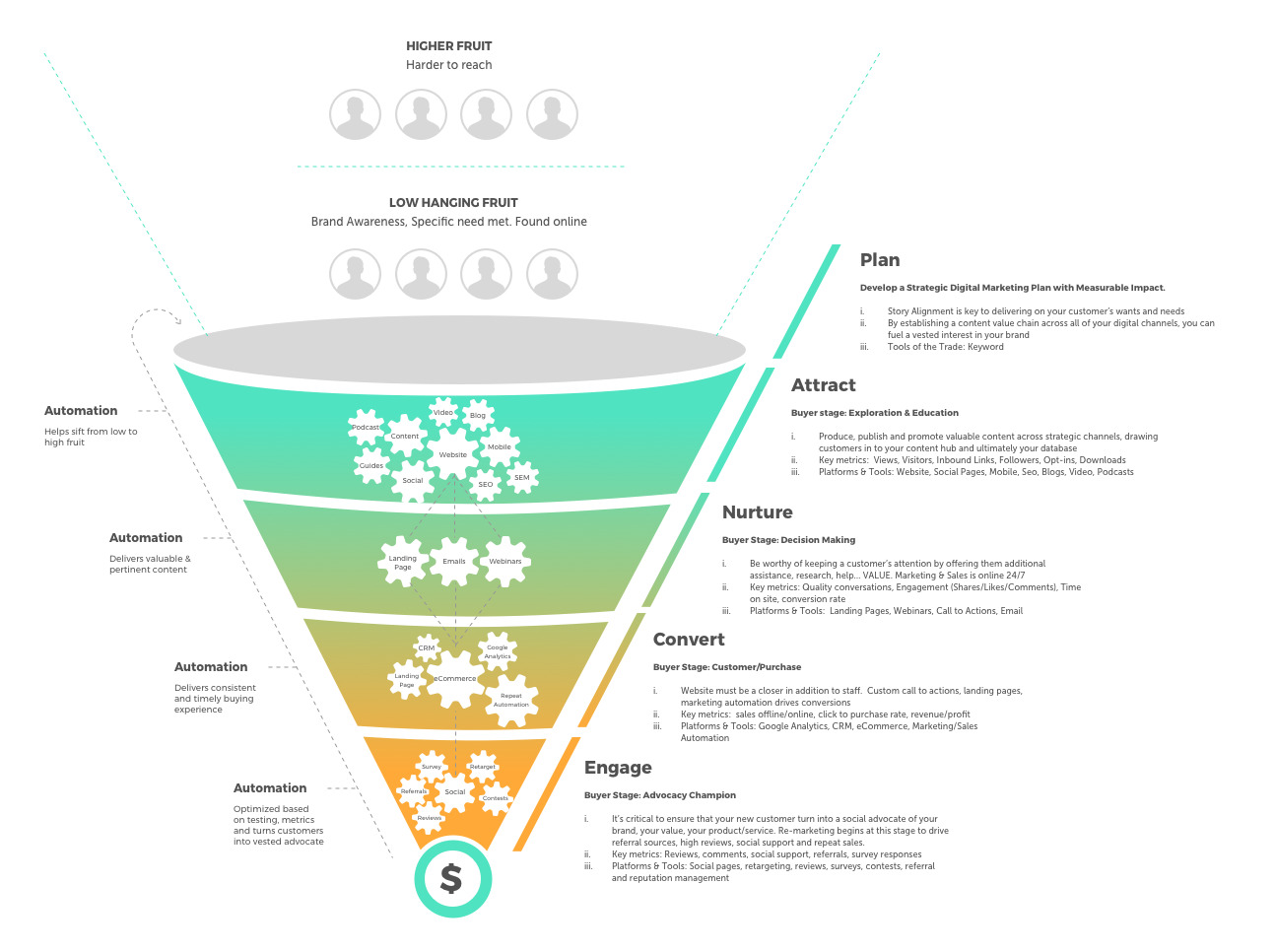
Clear Value Proposition The best website design examples 2025 communicate value immediately. Visitors should understand what the website offers and why it matters within seconds of arrival. Successful brands use headlines, subheadings, and visual elements to convey their unique selling proposition clearly.
Professional Website Design Examples by Industry
Different industries require different approaches to web design, though certain principles remain constant across sectors. Professional website design examples demonstrate how businesses adapt conversion principles to their specific audiences and goals.
E-commerce Design Strategies Online retail websites face unique conversion challenges. Professional website design examples in e-commerce focus on product presentation, checkout optimization, and user account management. High-performing e-commerce sites use large product images, clear pricing information, and simplified purchasing processes.
Successful e-commerce web design examples incorporate wish lists, recently viewed items, and personalized recommendations. These features increase average order values and encourage repeat visits. Search functionality and filtering options help customers find products quickly, reducing bounce rates.
Service-Based Business Design Service providers need different design approaches than product retailers. Their web design examples emphasize expertise, credibility, and contact conversion. Professional service websites typically feature case studies, team bios, and clear service descriptions.
Lead generation forms represent critical conversion points for service businesses. The most effective designs minimize form fields while capturing essential information. Progressive profiling allows companies to gather additional data over time without overwhelming initial visitors.
B2B Website Design Approaches Business-to-business companies require longer consideration cycles and multiple decision makers. Their web design examples focus on education, relationship building, and lead nurturing. Successful B2B sites provide detailed resource libraries, white papers, and educational content.

Modern Web Design Examples with High Conversion Rates
Contemporary web design trends reflect changing user expectations and technological capabilities. Modern web design examples incorporate emerging technologies while maintaining focus on conversion optimization.
Minimalist Design Philosophy Current design trends favor simplicity and clarity. Modern web design examples remove unnecessary elements that distract from primary conversion goals. White space usage, typography selection, and color palette choices all contribute to clean, professional appearances.
Minimalist designs often perform better because they reduce cognitive load. When visitors encounter fewer distractions, they can focus on key messages and calls-to-action. This approach has proven particularly effective for software companies and professional service providers.
Interactive Elements and Micro-Interactions The best modern web design examples include subtle animations and interactive features that enhance user engagement. Hover effects, progress indicators, and form validation provide immediate feedback without overwhelming the interface.
Interactive elements serve functional purposes beyond visual appeal. Progress bars during checkout processes reduce abandonment rates. Hover states on buttons provide clear interaction cues. Loading animations manage user expectations during content delivery.
Personalization and Dynamic Content Advanced web design examples incorporate personalization based on user behavior, location, or preferences. Dynamic content adaptation increases relevance and conversion potential. Personalized product recommendations, location-specific information, and behavior-triggered messaging all contribute to higher conversion rates.
Creative Website Design Examples That Stand Out
Innovation in web design requires balancing creativity with conversion optimization. Creative website design examples demonstrate how unique visual approaches can support business objectives rather than simply attract attention.
Unique Navigation Solutions Creative navigation designs help users find information efficiently while creating memorable experiences. Mega menus, sticky navigation, and breadcrumb systems guide users through complex websites. The most successful creative website design examples make navigation intuitive despite innovative presentations.
Visual Storytelling Techniques Brand storytelling through design creates emotional connections with visitors. Creative website design examples use imagery, typography, and layout to communicate brand personality and values. This approach works particularly well for lifestyle brands, nonprofits, and companies with strong mission statements.
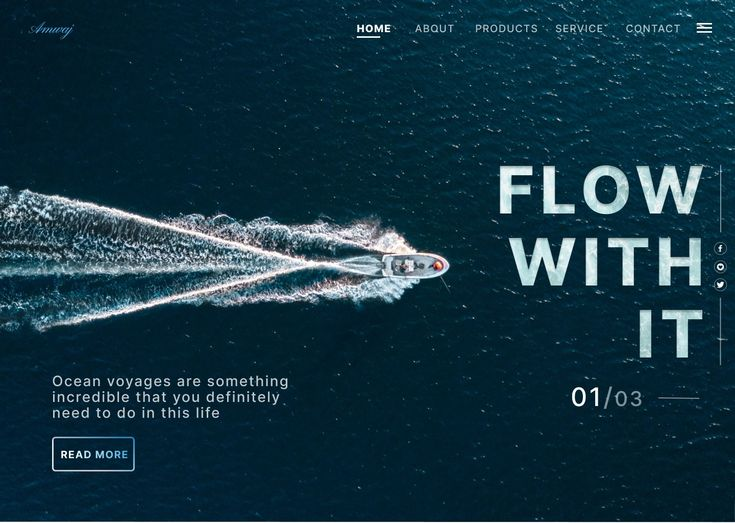
Animation and Motion Graphics Strategic animation usage can improve user engagement and conversion rates. Creative web design examples incorporate motion to direct attention, explain processes, or provide feedback. However, successful implementations ensure animations serve functional purposes rather than purely decorative ones.
Responsive Web Design Examples for Every Device
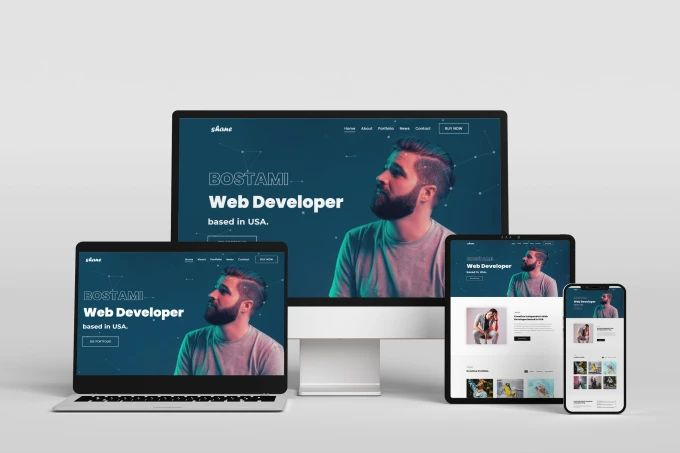
Mobile traffic represents more than half of all website visits, making responsive design essential for conversion optimization. Responsive web design examples demonstrate how layouts adapt to different screen sizes while maintaining functionality and visual appeal.
Mobile-First Design Strategies The most effective responsive web design examples start with mobile layouts and expand to larger screens. This approach ensures core functionality works on constrained devices. Mobile-first design typically results in faster loading times and clearer user interfaces across all devices.
Touch-Friendly Interface Elements Responsive web design examples optimize for touch interaction on mobile devices. Button sizes, spacing, and interactive element placement accommodate finger navigation. Successful mobile designs also consider thumb reach and one-handed usage patterns.
Cross-Device Experience Consistency Users often interact with websites across multiple devices during their journey. Responsive web design examples maintain consistent branding, messaging, and functionality regardless of device. This consistency builds trust and reduces confusion during the conversion process.
Best Website Design Examples 2025: Current Trends
The landscape of web design continues evolving with new technologies and changing user expectations. The best website design examples 2025 incorporate current trends while maintaining focus on conversion optimization and user experience.
Advanced Typography and Custom Fonts Typography plays an increasingly important role in modern web design. The best website design examples 2025 use custom fonts and advanced typography techniques to create distinctive brand experiences. However, successful implementations balance uniqueness with readability and loading performance.
Sustainable Design Practices Environmental consciousness influences design decisions in 2025. Sustainable web design focuses on energy efficiency, reduced data transfer, and longer device lifecycles. The best website design examples 2025 demonstrate how environmental responsibility can align with business objectives.
Enhanced Accessibility Features Inclusive design benefits all users while expanding market reach. The best website design examples 2025 incorporate comprehensive accessibility features including keyboard navigation, screen reader compatibility, and visual accommodation options. These features often improve overall usability for everyone.
Integration with Emerging Technologies Successful websites in 2025 integrate with voice assistants, augmented reality, and other emerging technologies. However, the best website design examples 2025 implement these features strategically rather than adopting technology for its own sake.
How to Implement These Design Strategies
Understanding effective web design examples provides value only when businesses can implement similar strategies. Successful implementation requires systematic planning, testing, and optimization.
Design Process and Planning Effective web design begins with clear objectives and user research. Successful projects define conversion goals, identify target audiences, and analyze competitor approaches. This foundation ensures design decisions support business objectives rather than purely aesthetic preferences.
Testing and Optimization Methods The most successful web design examples result from continuous testing and refinement. A/B testing, user feedback collection, and analytics analysis reveal which design elements drive conversions. Regular optimization based on data ensures websites continue improving over time.
Technical Implementation Considerations Beautiful designs must translate into functional websites. Successful implementation requires attention to hosting, content management systems, and development practices. The best web design examples balance visual appeal with technical performance and maintainability.
Frequently Asked Questions
What makes a website design convert visitors into customers? Effective web design examples combine clear value propositions, intuitive navigation, fast loading speeds, and strategically placed call-to-action elements. Trust signals, social proof, and mobile optimization also contribute significantly to conversion rates.
How often should businesses update their website design? Most successful companies refresh their web design every 2-3 years to maintain modern appearance and functionality. However, continuous small improvements based on user feedback and performance data prove more effective than complete redesigns.
Which design elements have the biggest impact on conversion rates? Page loading speed, mobile responsiveness, and clear call-to-action buttons typically produce the largest conversion improvements. Trust signals and simplified checkout processes also generate significant results for e-commerce websites.
How can small businesses compete with larger companies in web design? Small businesses can succeed by focusing on specific niches, providing superior customer service, and creating more personalized experiences. Modern web design tools make professional-quality websites accessible to businesses of all sizes.
What role does content play in conversion-focused web design? Content and design work together to guide user behavior. The best web design examples use content hierarchy, formatting, and placement to support conversion goals. Quality content builds trust while design elements direct attention to important information.
Building Websites That Convert
Effective web design examples demonstrate that successful websites balance aesthetic appeal with conversion optimization. The most impactful designs guide user behavior through strategic element placement, clear messaging, and intuitive interfaces. Modern web design examples show how responsive layouts, fast loading speeds, and trust signals work together to drive business results.
Businesses seeking to improve their conversion rates should focus on user experience, mobile optimization, and continuous testing. The best website design examples 2025 will likely emphasize accessibility, sustainability, and emerging technology integration while maintaining core conversion principles.
Ready to transform your website into a conversion machine? Start by analyzing your current design against these proven examples, identify areas for improvement, and implement changes systematically. Remember that successful web design is an ongoing process of testing, learning, and optimization.