

Line25 is reader supported. At no cost to you a commission from sponsors may be earned when a purchase is made via links on the site. Learn more
Does the visual appeal of a resume truly impact hiring decisions? Research consistently shows that recruiters spend an average of six seconds reviewing each resume before making initial judgments. This brief window makes the resume best design a critical factor in advancing through application processes and securing interviews.
The choice between modern resume design templates, professional resume design examples, and creative resume layout ideas can significantly influence career outcomes. Job seekers across industries face the challenge of balancing visual appeal with professional standards while ensuring their resume design aligns with specific career objectives.
This comprehensive guide explores strategic approaches to selecting the optimal resume design, examining various formats, industry expectations, and practical implementation techniques. Readers will discover how to match design choices with career goals, understand when to embrace creativity versus maintaining traditional professionalism, and implement best practices for maximum visual impact.
Table of Contents
- Understanding Resume Design Fundamentals
- Modern Resume Design Templates for Different Industries
- Professional Resume Design Examples and Applications
- Creative Resume Layout Ideas for Competitive Fields
- Clean Resume Design Templates for Universal Appeal
- Best Resume Format for Design Jobs and Creative Positions
- Matching Design Choices to Career Objectives
- Common Design Mistakes to Avoid
- Frequently Asked Questions
Understanding Resume Design Fundamentals
The foundation of effective resume design rests on three core principles: readability, hierarchy, and visual balance. These elements work together to create documents that communicate information efficiently while maintaining professional appeal.
Readability encompasses font selection, spacing, and overall layout clarity. Sans-serif fonts like Arial, Calibri, and Helvetica typically perform better in digital formats, while serif fonts may enhance printed versions. Consistent spacing between sections, adequate margins, and logical information flow contribute to document accessibility.
Visual hierarchy guides reader attention through strategic use of font sizes, weights, and positioning. Headers should clearly distinguish sections, while bullet points and indentation create scannable content blocks. This structure helps recruiters quickly locate relevant information during their brief review periods.
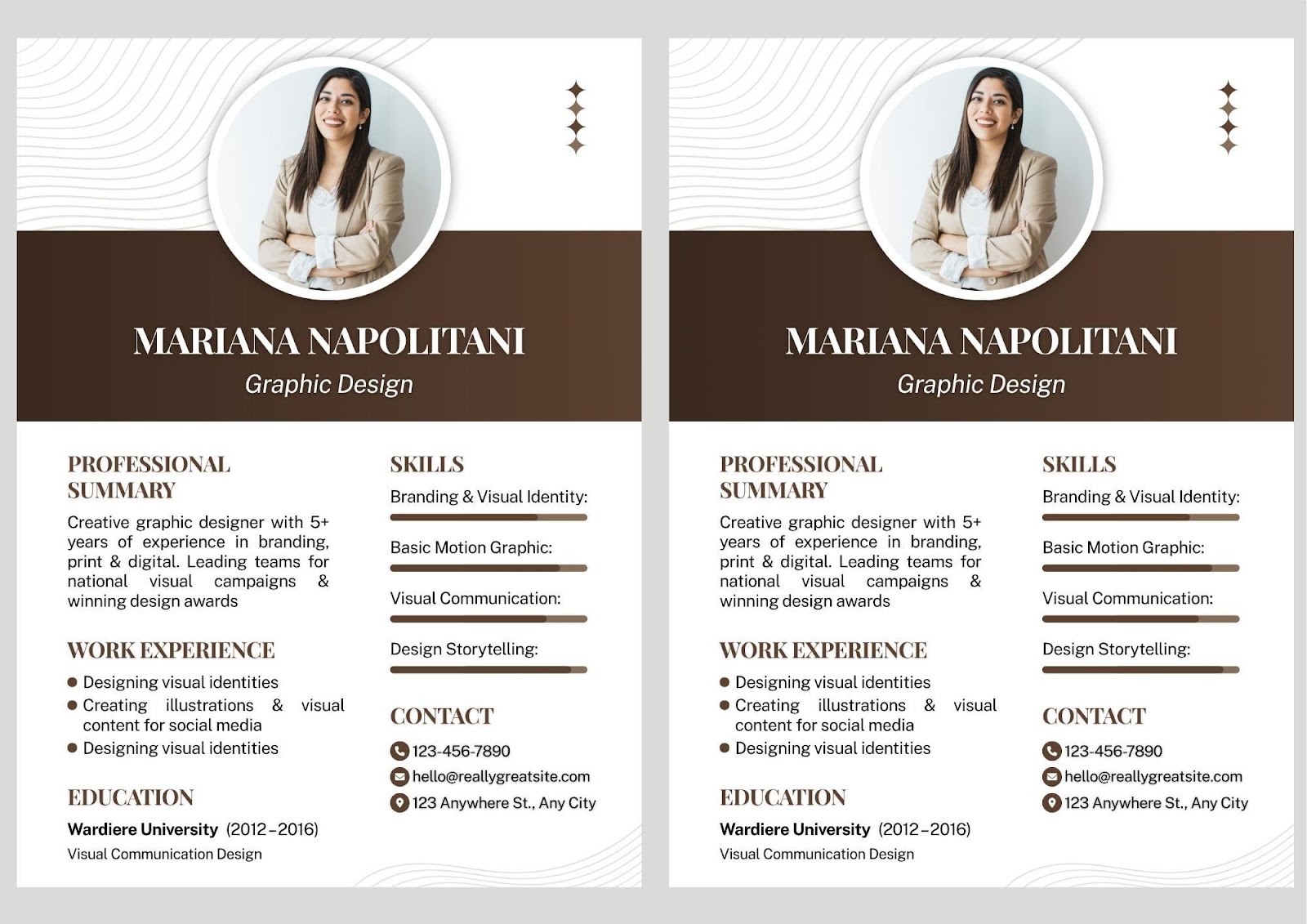
Color psychology plays a subtle but important role in resume design perception. Conservative color palettes including navy, charcoal, and burgundy convey professionalism and reliability. Accent colors can highlight key information without overwhelming the overall design, while maintaining appropriate contrast ratios for accessibility compliance.
Typography choices significantly impact first impressions and readability across different viewing platforms. Standard business fonts ensure compatibility with applicant tracking systems while maintaining professional appearance. Font size considerations include 10-12 point for body text and 14-16 point for headers, with consistent styling throughout the document.
Modern Resume Design Templates for Different Industries
Contemporary resume designs reflect current aesthetic trends while maintaining professional standards across various sectors. Modern resume design templates incorporate clean lines, strategic white space, and subtle design elements that enhance rather than distract from content.
Technology sector resumes often benefit from minimalist approaches featuring geometric elements, modern typography, and subdued color accents. These designs demonstrate familiarity with current design trends while maintaining the technical precision valued in tech environments.
Healthcare professionals typically require conservative modern designs that emphasize credibility and attention to detail. Templates featuring classic layouts with contemporary typography choices effectively communicate professionalism while incorporating modern aesthetic elements.
Finance and banking industries favor modern designs that balance innovation with traditional values. Structured layouts with clean lines and professional color schemes demonstrate both forward-thinking approaches and respect for established industry standards.
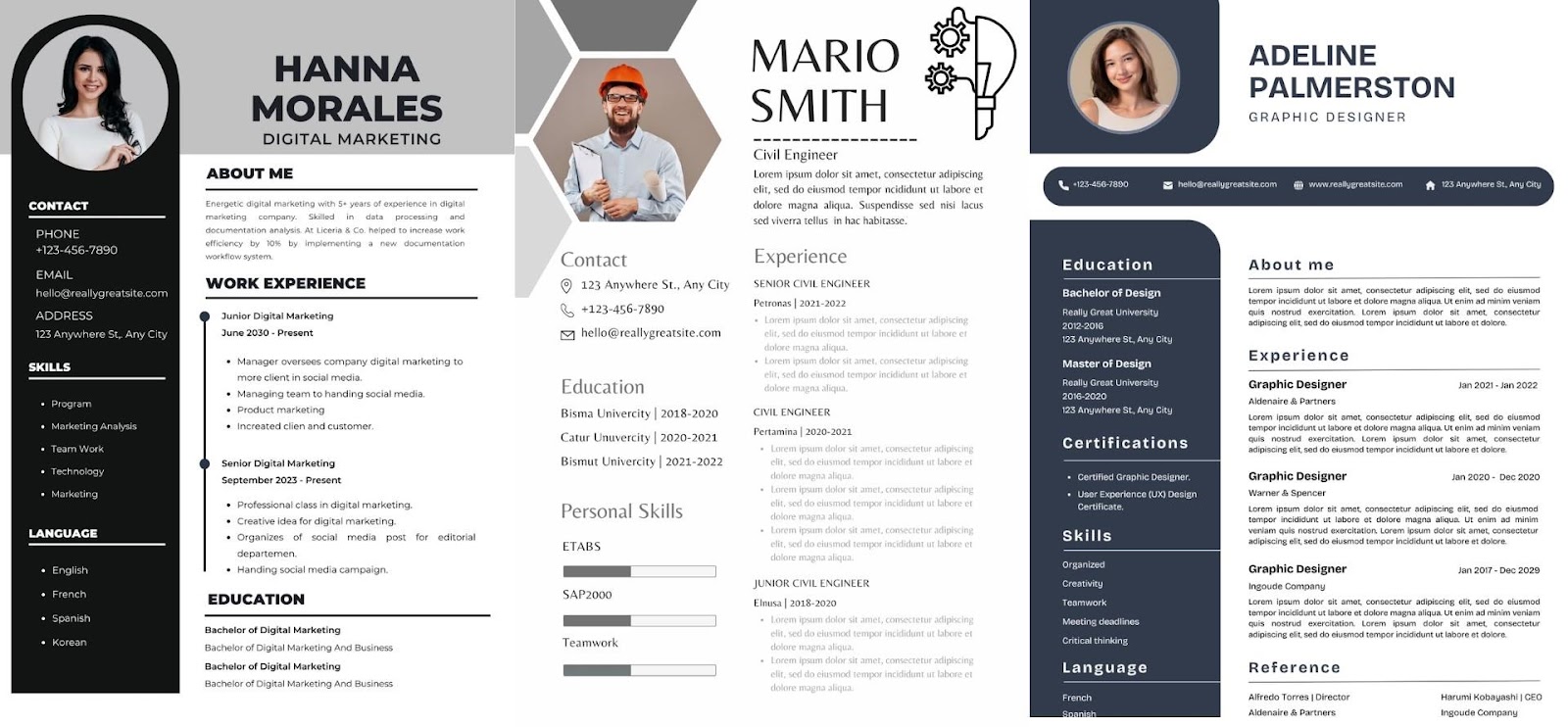
Marketing and communications professionals can embrace more dynamic modern designs featuring strategic use of graphics, infographics, and creative typography. These designs showcase design sensibilities while maintaining professional readability and structure.
Educational sector resumes benefit from modern templates that emphasize clarity and organization. Clean designs with clear section divisions and professional formatting demonstrate organizational skills valued in academic environments.
Professional Resume Design Examples and Applications
Professional resume design examples serve as valuable references for understanding industry standards and expectations. These designs prioritize substance over style while incorporating subtle visual elements that enhance overall presentation.
Traditional industries including law, consulting, and government typically expect conservative professional designs. These formats feature standard layouts, minimal color usage, and conventional typography choices that convey respect for established protocols and attention to detail.
Corporate environments across various sectors appreciate professional designs that demonstrate business acumen and cultural awareness. Structured layouts with clear section divisions and appropriate formatting choices indicate understanding of organizational expectations and communication standards.
Executive-level positions require sophisticated professional designs that reflect leadership capabilities and strategic thinking. Premium paper quality, refined typography, and subtle design elements communicate executive presence without appearing ostentatious.
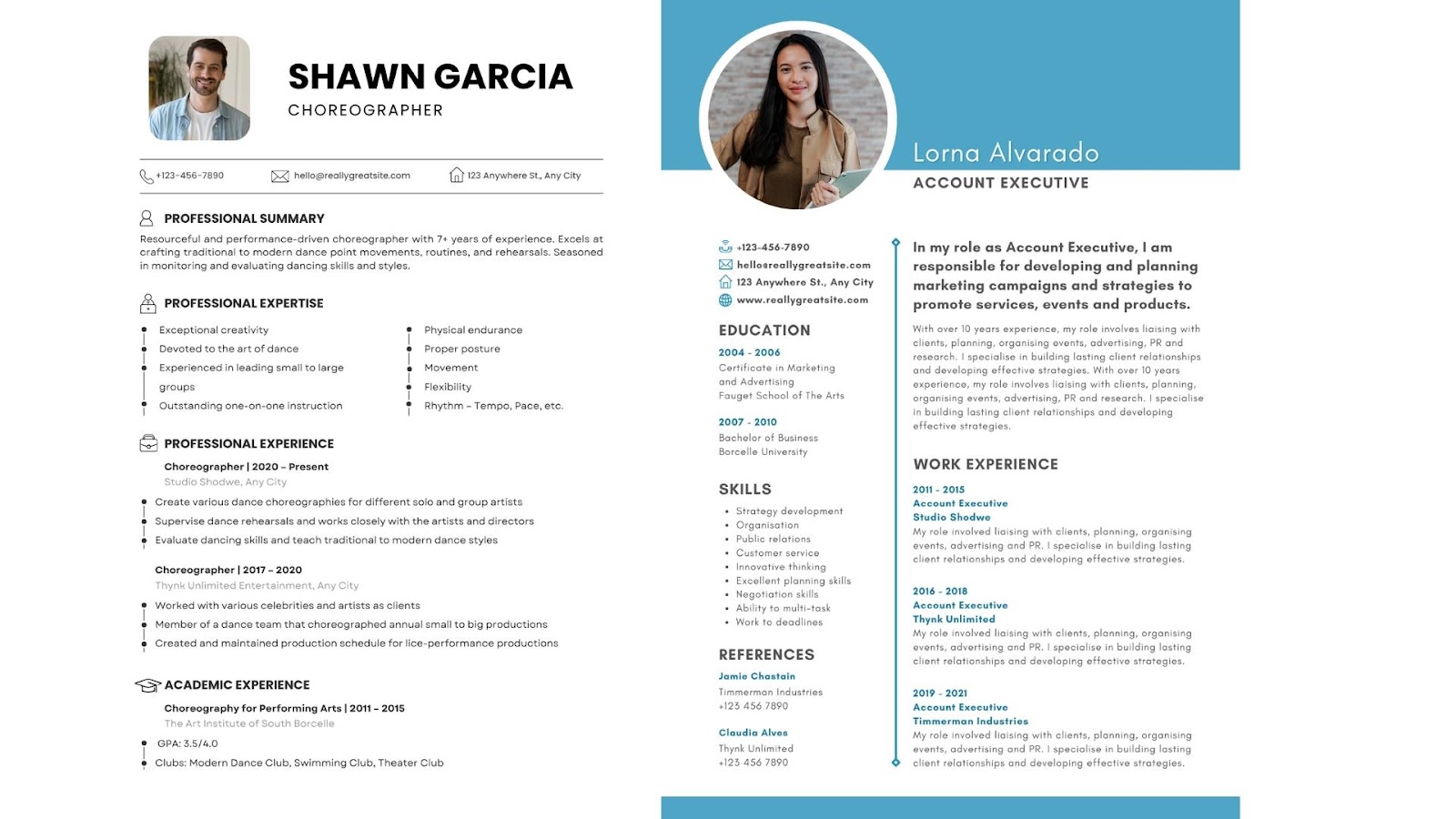
International business considerations influence professional design choices, particularly when applying to multinational organizations or overseas positions. Cultural sensitivity in design choices demonstrates global awareness and adaptability.
Professional certifications and credentials often require specific formatting considerations within professional designs. Strategic placement and highlighting of relevant qualifications enhance credibility while maintaining overall design cohesion.
Creative Resume Layout Ideas for Competitive Fields
These industries present unique opportunities for innovative resume designs that showcase artistic abilities and design thinking. Creative resume layout ideas must balance self-expression with professional communication requirements.
Graphic design positions demand resumes that serve as portfolio pieces, demonstrating technical skills and aesthetic judgment. These designs can incorporate original graphics, creative typography, and innovative layouts while maintaining readability and professional appeal.
Advertising and marketing roles benefit from creative designs that showcase campaign thinking and brand awareness. Strategic use of visual elements, compelling headlines, and innovative information presentation can differentiate candidates in competitive markets.
Architecture and interior design professionals can utilize creative layouts that reflect spatial awareness and design sensibilities. Geometric elements, architectural-inspired typography, and strategic use of negative space demonstrate professional capabilities.
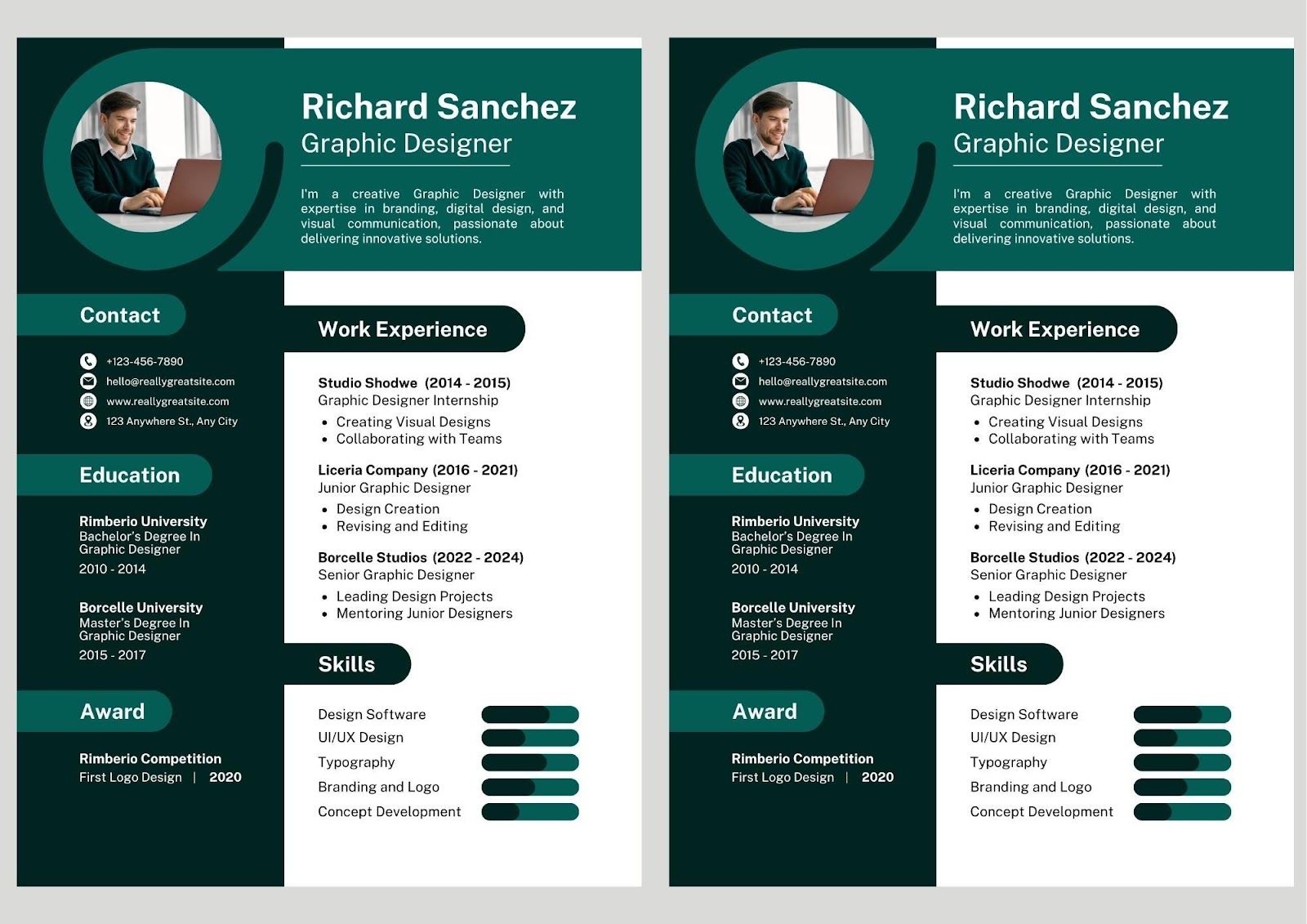
Photography and videography resumes can incorporate visual portfolios while maintaining professional structure. Creative integration of sample work with traditional resume information creates compelling presentations that demonstrate technical and artistic capabilities.
Fashion and beauty industry resumes often embrace bold design choices that reflect industry aesthetics. Strategic use of color, typography, and layout can communicate brand awareness and trend consciousness while maintaining professional credibility.
Clean Resume Design Templates for Universal Appeal
Clean resume design templates offer versatile solutions that perform well across multiple industries and application scenarios. These designs prioritize clarity, readability, and professional appearance while remaining adaptable to various content requirements.
Minimalist approaches emphasize content over decoration, utilizing strategic white space and simple typography to create sophisticated presentations. These designs demonstrate attention to essential information while avoiding visual clutter that can distract from qualifications.
Grid-based layouts provide structure and organization that appeals to detail-oriented industries and roles requiring systematic thinking. Consistent spacing and alignment create professional appearances that communicate organizational skills and attention to precision.
Monochromatic color schemes using variations of single colors create cohesive designs that remain professional while adding visual interest. These approaches work well for applicants seeking versatile templates that can be easily customized for different applications.
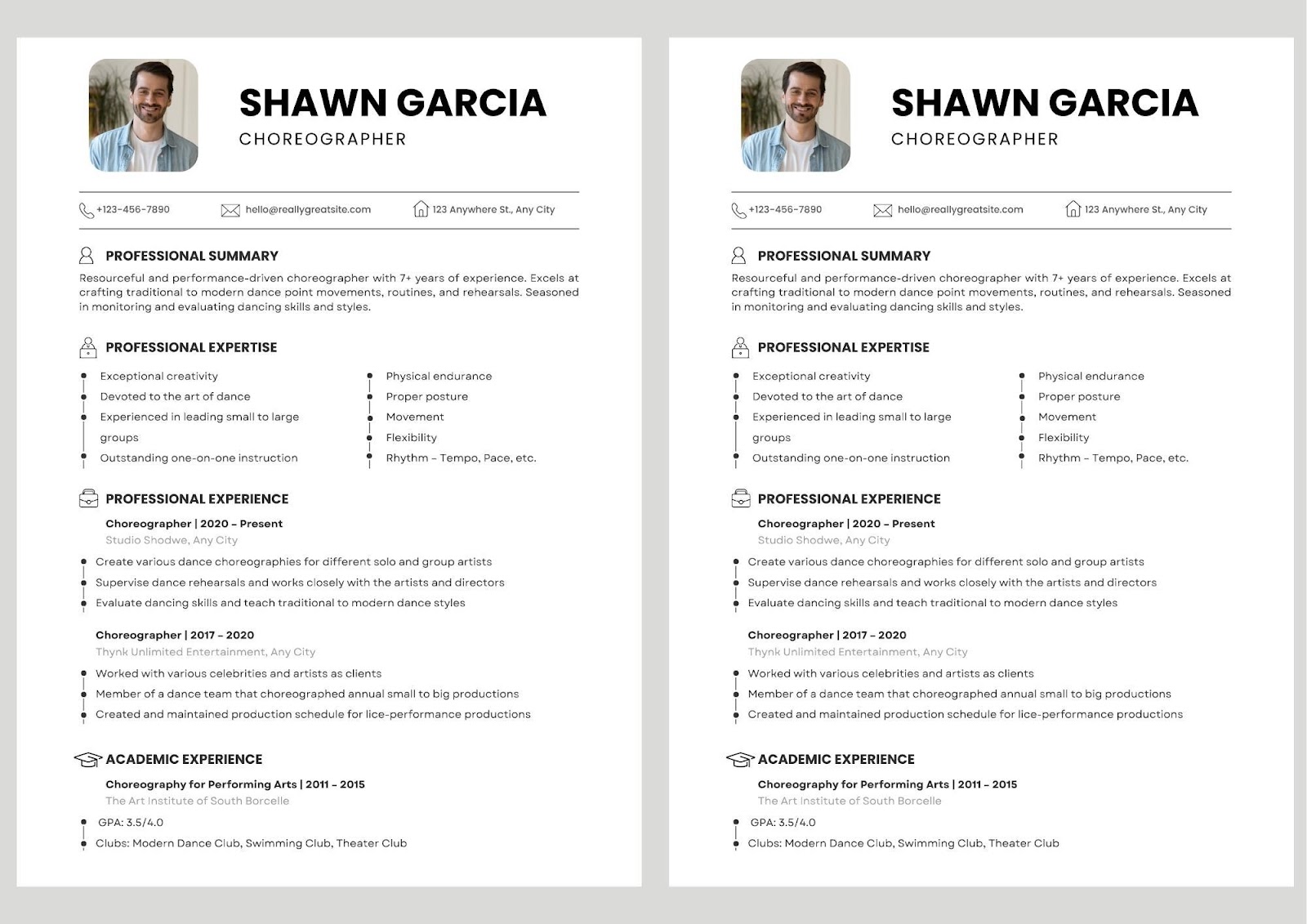
Scandinavian design influences have popularized clean aesthetics featuring ample white space, simple typography, and functional beauty. These designs appeal to contemporary organizations while maintaining timeless professional appeal.
Universal design principles ensure accessibility across different viewing platforms and user needs. Clean templates typically perform well in both digital and printed formats while maintaining compatibility with applicant tracking systems.
Best Resume Format for Design Jobs and Creative Positions
Design professionals face unique challenges in creating resumes that simultaneously showcase creative abilities and communicate professional qualifications. The best resume format for design jobs must balance artistic expression with industry expectations and practical considerations.
Portfolio integration represents a critical consideration for design resumes. Some professionals create unified packages combining traditional resume information with portfolio samples, while others maintain separate documents with strategic cross-references.
Typography becomes a primary design element for design professionals, with font choices serving as immediate indicators of design sensibilities and technical knowledge. Custom typography or unique font pairings can demonstrate creativity while maintaining readability requirements.
Color strategy in design resumes can showcase understanding of color theory and brand development while remaining appropriate for professional contexts. Strategic use of brand colors or signature palettes can create memorable impressions without overwhelming content.
Layout innovation allows design professionals to demonstrate spatial reasoning and visual problem-solving abilities. Creative approaches to information hierarchy and content organization can differentiate candidates while maintaining functional communication.
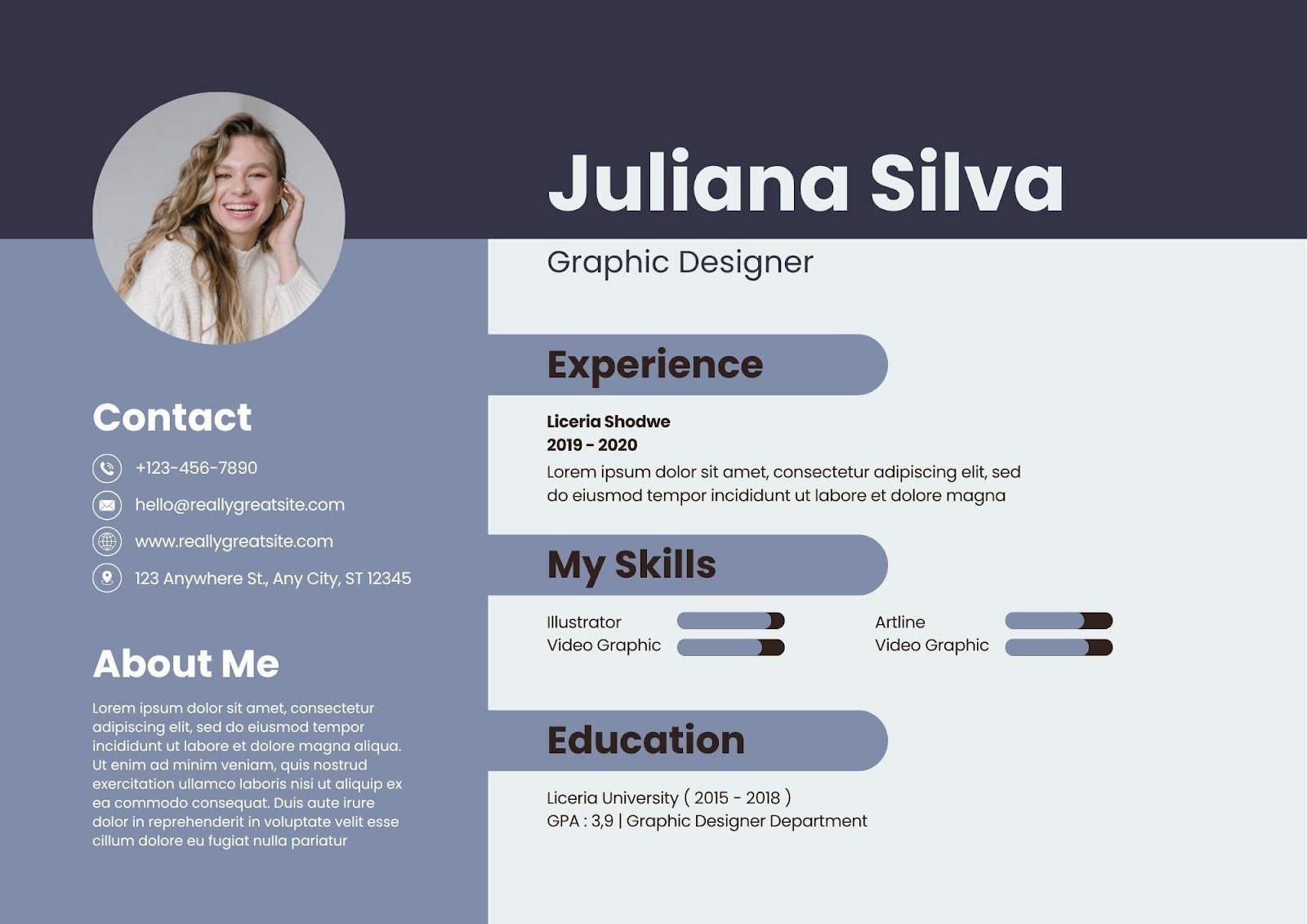
Digital considerations include file format optimization, print compatibility, and cross-platform accessibility. Design professionals must ensure their creative resumes perform well across different viewing contexts and technical requirements.
Industry-specific expectations vary significantly among design fields, with motion graphics, web design, and print design each having distinct conventions and preferences for resume presentation and content emphasis.
Matching Design Choices to Career Objectives
Strategic alignment between resume design and career goals enhances application effectiveness and demonstrates strategic thinking. Different career objectives require tailored approaches to design selection and implementation.
Career transition scenarios often benefit from design choices that emphasize transferable skills while minimizing industry-specific associations. Neutral designs can help candidates bridge between different sectors without appearing uncommitted to new directions.
Advancement within current industries typically calls for designs that reflect growing sophistication and leadership capabilities. Progressive design choices should demonstrate evolution while maintaining consistency with established professional image.
Entrepreneurial pursuits may warrant creative designs that showcase innovation and risk-taking abilities. These applications can embrace less conventional approaches while maintaining credibility and professional communication standards.
Geographic considerations influence design appropriateness, with different regions and markets having distinct preferences for resume presentation and visual communication styles.
Company culture research helps inform design decisions by identifying organizational values and aesthetic preferences. Conservative organizations may prefer traditional approaches, while innovative companies might appreciate creative presentations.
Common Design Mistakes to Avoid
Understanding frequent design errors helps job seekers make informed decisions and avoid pitfalls that can negatively impact application success. Recognition of these mistakes enables proactive prevention and strategic design choices.
Overdesign represents one of the most common errors, with excessive graphics, colors, or decorative elements overwhelming essential content. Effective designs prioritize information communication over visual complexity.
Inconsistent formatting creates unprofessional appearances and suggests lack of attention to detail. Maintaining consistent spacing, font usage, and alignment throughout documents demonstrates organizational skills and professionalism.
Poor color choices can create readability issues or convey inappropriate messages. Colors that appear differently across devices or printing methods can compromise professional presentation and accessibility.
Inappropriate fonts including decorative or informal typefaces can undermine professional credibility. Font selection should prioritize readability and professional appearance while considering industry appropriateness.
Inadequate white space creates cluttered appearances that impede readability and visual appeal. Strategic use of negative space enhances content prominence and creates sophisticated presentations.
Template overuse without customization can result in generic appearances that fail to differentiate candidates. Effective resume design requires personalization and strategic adaptation to individual circumstances.
Frequently Asked Questions
What constitutes the resume best design for entry-level positions?
Entry-level candidates benefit from clean, professional designs that emphasize education, internships, and relevant skills. Simple layouts with clear section divisions and conservative formatting choices demonstrate professionalism while allowing limited experience to remain prominent.
How do modern resume design templates impact applicant tracking systems?
Most contemporary resume designs remain compatible with applicant tracking systems when they avoid excessive graphics, complex layouts, or unusual formatting. Standard fonts, clear section headers, and logical information hierarchy ensure proper parsing while maintaining visual appeal.
Can creative resume layout ideas work for traditional industries?
Conservative creativity can enhance traditional industry applications through subtle design elements, strategic color usage, or innovative typography choices. The key lies in balancing creative expression with industry expectations and maintaining professional credibility.
What makes clean resume design templates universally appealing?
Clean designs prioritize content clarity and professional presentation while remaining adaptable across industries and career levels. Their versatility, readability, and timeless aesthetic appeal make them safe choices for diverse application scenarios.
How should the best resume format for design jobs differ from other industries?
Design profession resumes can incorporate portfolio elements, demonstrate technical skills through design execution, and showcase creativity while maintaining professional communication. These formats should reflect design sensibilities without compromising essential information presentation.
Conclusion
Selecting the resume best design requires strategic consideration of career objectives, industry expectations, and personal professional brand. The decision between modern resume design templates, professional resume design examples, and creative resume layout ideas significantly impacts application success and career advancement opportunities.
Effective resume design balances visual appeal with functional communication, ensuring that aesthetic choices enhance rather than detract from content prominence. Understanding industry preferences, company cultures, and career-specific requirements enables informed design decisions that support professional objectives.
The investment in thoughtful resume design demonstrates attention to detail, strategic thinking, and professional commitment. These qualities, communicated through visual presentation, can differentiate candidates in competitive markets and contribute to long-term career success.
Job seekers should regularly evaluate and update their resume designs to reflect career progression, industry changes, and evolving professional objectives. Continuous refinement ensures that resume presentation remains aligned with current goals and market expectations.
Take action today by assessing current resume design effectiveness and implementing strategic improvements that support career advancement. Professional success begins with a compelling presentation that accurately represents qualifications and potential contributions.