

Line25 is reader supported. At no cost to you a commission from sponsors may be earned when a purchase is made via links on the site. Learn more
Small business owners face a critical challenge when establishing their online presence: creating a professional website without breaking the budget. With over 71% of businesses maintaining an online presence, having a website is no longer optional for entrepreneurs looking to compete in the modern marketplace. Finding the best free website builders for small business operations can mean the difference between launching successfully and struggling to gain traction.
This comprehensive guide examines the top free website builders for small businesses, analyzing their features, limitations, and suitability for different business types. Whether entrepreneurs need basic landing pages or comprehensive e-commerce functionality, this article provides the insights needed to make informed decisions about their digital foundation.
Why Small Businesses Need Free Website Builders
Budget constraints often force small business entrepreneurs to seek cost-effective solutions for their online presence. Free website builders address this challenge by providing essential tools without upfront costs, allowing businesses to allocate limited resources to other critical areas like inventory, marketing, or staff.
These platforms democratize web development by eliminating the need for technical expertise or hiring expensive developers. Small business owners can create professional-looking websites within hours rather than weeks, enabling faster market entry and customer acquisition.

The accessibility of free website builders also allows entrepreneurs to test different designs and functionalities before committing to paid solutions. This trial approach helps businesses understand their specific needs and avoid costly mistakes during the early stages of development.
Top Free Website Builders for Small Businesses
Wix Free Plan

Wix stands out as one of the most comprehensive free website builders available to small businesses. The platform offers over 800 professionally designed templates across various industries, making it easy for entrepreneurs to find designs that match their brand identity.
The drag-and-drop editor requires no coding knowledge, allowing business owners to customize layouts, add content, and integrate features intuitively. Wix provides 500MB of storage and 1GB of bandwidth on their free plan, sufficient for small business websites with moderate traffic.
Key features include:
- Mobile-responsive templates
- Basic SEO tools
- Social media integration
- Contact forms and galleries
- Wix-branded domain (businessname.wixsite.com)
WordPress.com Free Tier
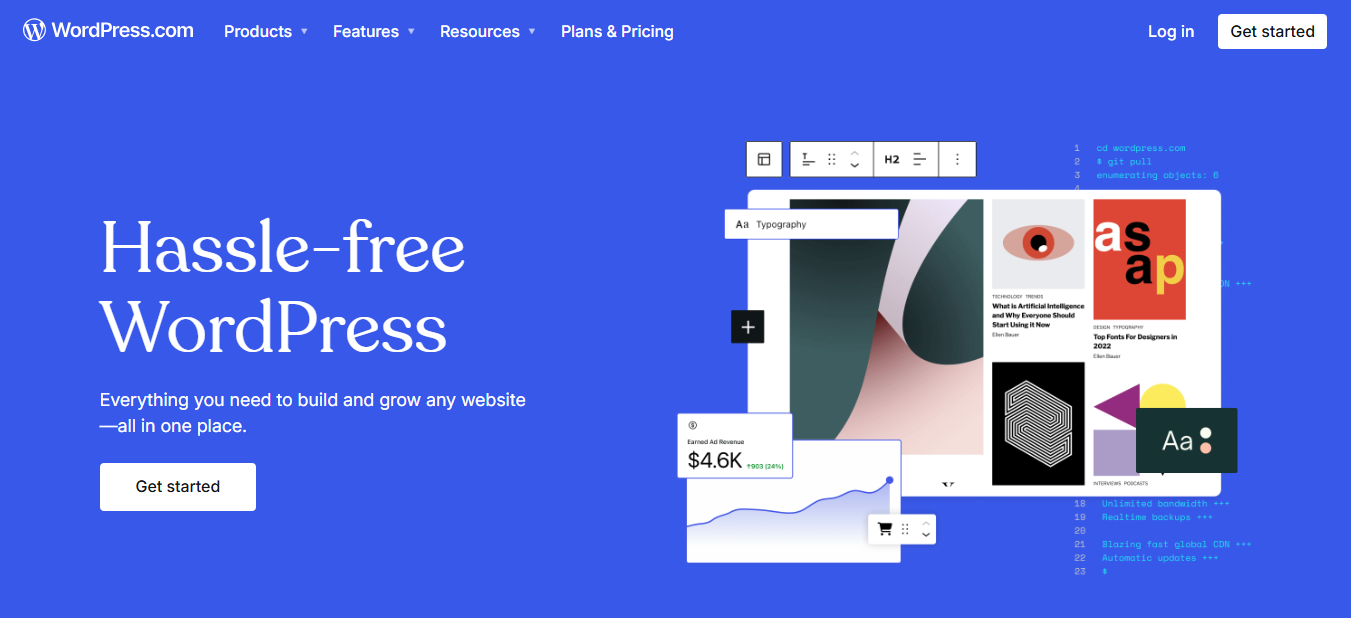
WordPress.com offers a powerful free tier that leverages the popularity and flexibility of the WordPress platform. Small businesses benefit from access to thousands of themes and the ability to customize their sites extensively without technical knowledge.
The free plan includes 3GB of storage and supports custom domains for the first year, providing professional credibility. WordPress.com excels in content management and blogging capabilities, making it ideal for businesses that plan to maintain active blogs or resource centers.
Notable features include:
- Extensive theme library
- Built-in SEO optimization
- Social sharing capabilities
- Comment moderation
- WordPress.com subdomain
Weebly Free Plan
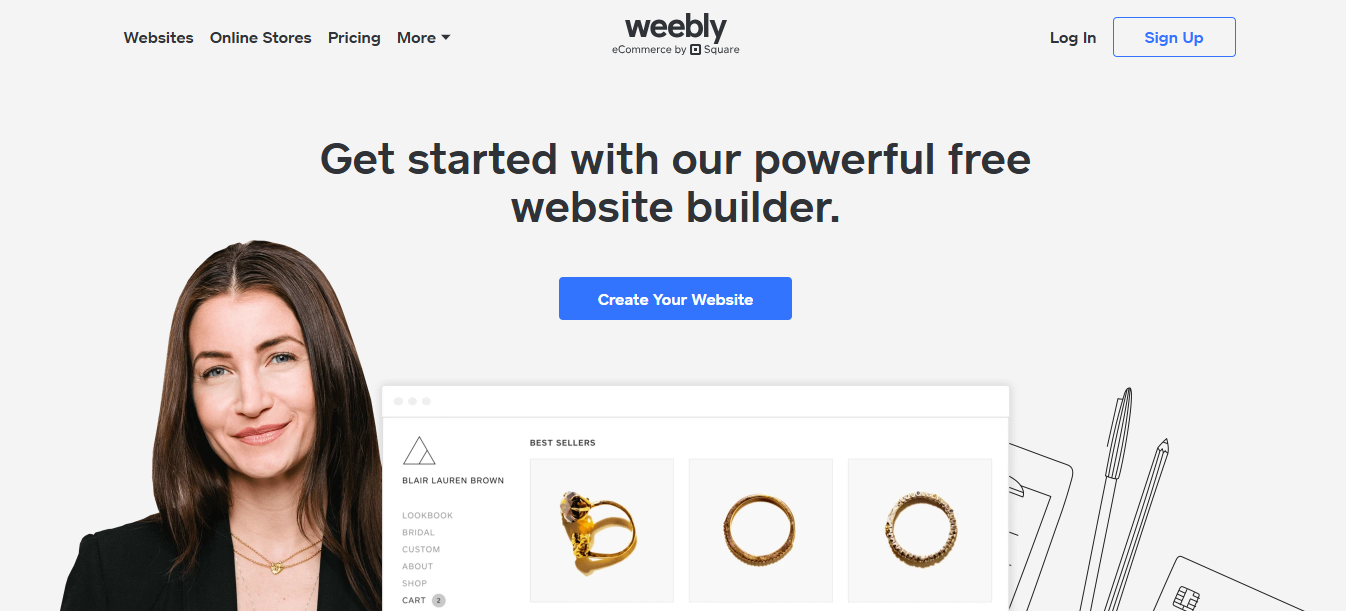
Weebly focuses on simplicity and ease of use, making it an excellent choice for entrepreneurs who want to launch quickly without technical complications. The platform provides intuitive tools for creating both simple websites and basic online stores.
The free plan offers unlimited pages and 500MB of storage, along with built-in SEO features and mobile optimization. Weebly’s strength lies in its balance between functionality and simplicity, allowing small businesses to create professional sites without overwhelming complexity.
Core offerings include:
- Responsive design templates
- Basic e-commerce functionality
- Contact forms and galleries
- SEO guidance
- Weebly-branded domain
Best Website Builders for Startups
Startups require website builders that can scale with their growth while maintaining cost efficiency during the early stages. The best website builders for startups offer upgrade paths that align with business expansion and increasing needs.

Jimdo Creator

Jimdo Creator provides an excellent starting point for startups with its AI-powered website creation process. The platform asks simple questions about business goals and automatically generates customized websites, significantly reducing setup time for busy entrepreneurs.
The free plan includes essential features like mobile optimization, basic SEO tools, and integration capabilities. Startups appreciate Jimdo’s straightforward approach and the ability to upgrade seamlessly as their needs evolve.
SITE123

SITE123 emphasizes speed and efficiency in website creation, perfect for startups that need to establish their online presence quickly. The platform uses a structured approach that guides users through the setup process, ensuring all essential elements are included.
The free version supports multiple pages, basic customization options, and mobile responsiveness. SITE123 works well for service-based startups that need professional websites without complex functionality requirements.
Free Website Builders with E-commerce Functionality
Small businesses planning to sell products online need free website builders with e-commerce functionality. While free plans typically offer limited selling features, several platforms provide enough capability for businesses to test their markets and generate initial sales.
Square Online
Square Online offers one of the most comprehensive free e-commerce solutions available. The platform allows businesses to sell unlimited products without transaction fees on the free plan, making it attractive for small retailers and service providers.
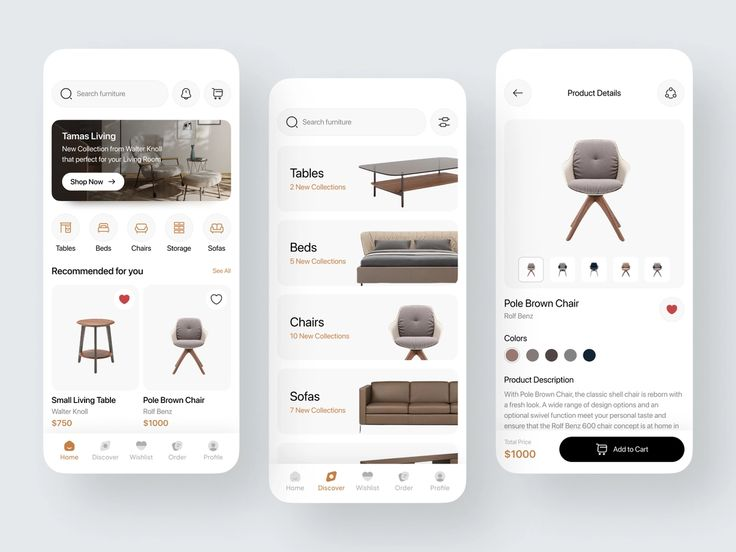
Key e-commerce features include:
- Unlimited product listings
- Inventory management
- Order processing
- Mobile-optimized checkout
- Integration with Square payment systems
Ecwid

Ecwid takes a unique approach by functioning as an e-commerce widget that can be embedded into existing websites or used as a standalone store. This flexibility makes it valuable for businesses that want to add selling capabilities to their current sites.
The free plan supports up to 10 products and includes essential e-commerce features like inventory tracking, order management, and mobile optimization. Ecwid integrates with social media platforms, enabling businesses to sell across multiple channels.
Best Free Website Builder for Beginners
Beginning entrepreneurs often feel overwhelmed by technical requirements and design decisions. The best free website builder for beginners prioritizes ease of use while providing enough functionality to create professional results.
Strikingly
Strikingly specializes in single-page websites, making it perfect for beginners who want to create simple but effective online presences. The platform focuses on storytelling and visual impact, ideal for personal brands and service-based businesses.
The intuitive editor allows beginners to create compelling sites without technical knowledge. Strikingly provides templates optimized for different business types and includes features like contact forms, social media integration, and basic analytics.

Tilda

Tilda emphasizes visual design and offers a block-based editor that helps beginners understand web layout principles. The platform provides over 450 pre-designed blocks that can be combined to create unique websites without starting from scratch.
The free plan includes essential features and allows for significant customization. Tilda works well for beginners who want to learn about web design while building their business sites.
Easy Website Builders for Small Businesses
Ease of use remains a critical factor for small business owners who need to balance website management with other operational responsibilities. Easy website builders for small businesses minimize technical barriers while maximizing functionality.
Zyro

Zyro focuses on simplicity and speed, offering templates designed specifically for small businesses. The platform includes AI-powered tools that help with content creation and design decisions, reducing the time needed to launch professional websites.
The grid-based editor makes it easy to position elements precisely, while the template library covers various business categories. Zyro includes basic SEO tools and mobile optimization in their free plan.
Carrd

Carrd specializes in single-page websites and landing pages, perfect for small businesses that need simple but effective online presences. The platform offers responsive templates and straightforward customization options.
The free plan supports up to three sites and includes forms, analytics, and custom domains for the first year. Carrd works particularly well for consultants, freelancers, and service-based businesses that need professional landing pages.
Key Features to Consider
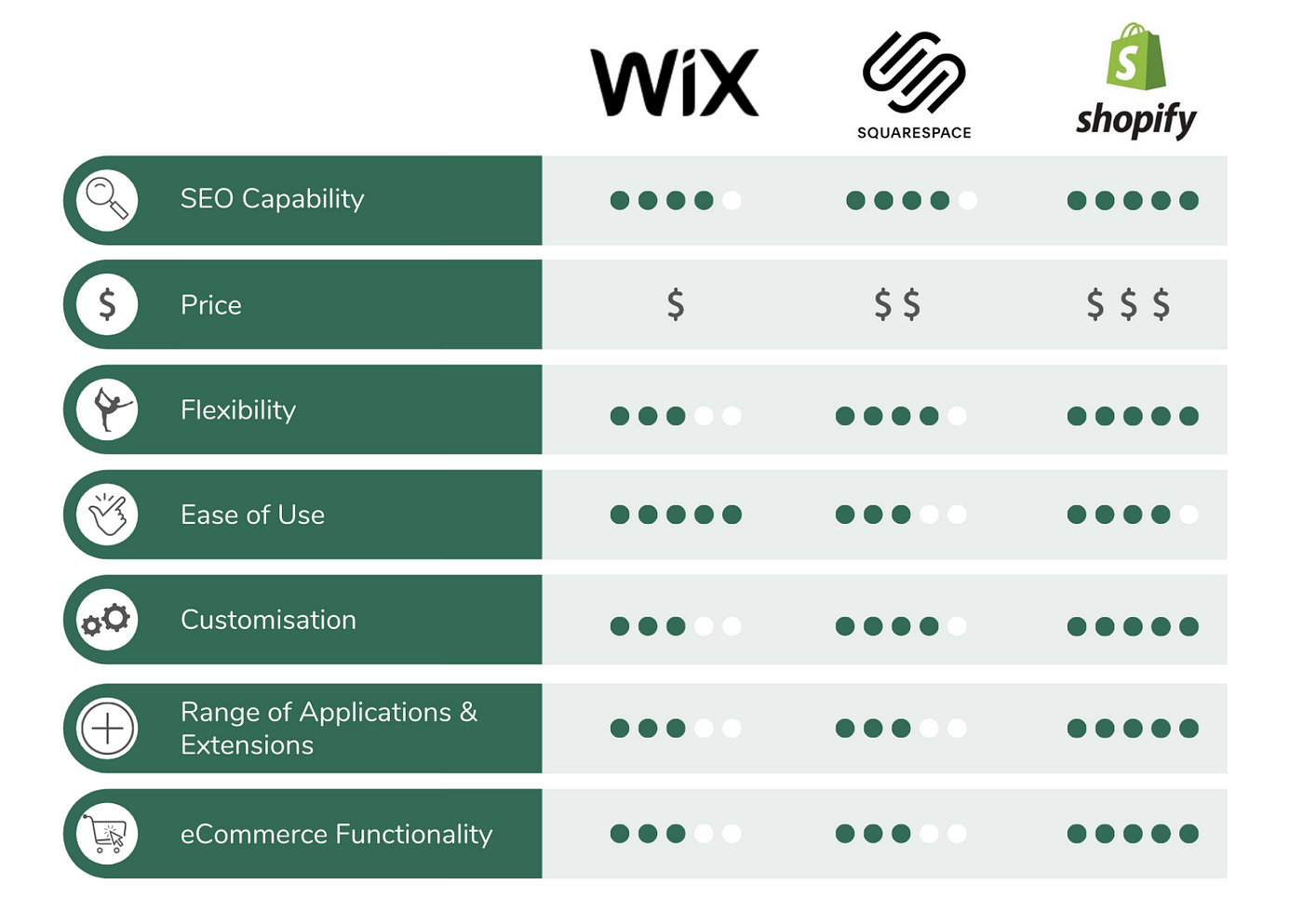
When evaluating free website builders, small businesses should prioritize features that align with their specific needs and growth plans. Essential considerations include storage capacity, bandwidth limitations, customization options, and upgrade paths.
Mobile Responsiveness
Mobile optimization is non-negotiable for modern businesses, as mobile devices account for over 50% of web traffic. All recommended platforms provide mobile-responsive templates, but the quality of mobile experience varies significantly between builders.
SEO Capabilities
Search engine optimization features help small businesses attract organic traffic and compete with larger competitors. Look for builders that offer customizable meta tags, URL structure control, and integration with Google Analytics.
Integration Options
The ability to integrate with third-party tools like email marketing platforms, payment processors, and social media accounts can significantly extend website functionality. Consider platforms that offer extensive integration libraries or API access.
Limitations of Free Website Builders
Understanding the limitations of free website builders helps small businesses set realistic expectations and plan for future upgrades. Common restrictions include branded domains, limited storage, restricted customization options, and advertising requirements.
Most free plans include the website builder’s branding in the domain name and footer, which can impact professional credibility. Storage and bandwidth limitations may affect site performance as businesses grow and attract more visitors.
Advanced features like custom code injection, comprehensive analytics, and priority support typically require paid upgrades. Small businesses should factor these potential costs into their long-term planning.
Frequently Asked Questions
Can free website builders support business growth?
Free website builders provide excellent starting points for small businesses, but most companies eventually outgrow free plan limitations. The key is choosing platforms with clear upgrade paths that align with business expansion goals.
Are free website builders suitable for e-commerce?
Several free website builders offer basic e-commerce functionality, sufficient for testing products and generating initial sales. However, serious online retailers typically need paid plans for advanced features like abandoned cart recovery, advanced analytics, and unlimited products.
How do free website builders make money?
Free website builders generate revenue through premium plan upgrades, transaction fees, advertising, and partner integrations. This business model ensures platform sustainability while providing valuable free services to small businesses.
Can websites be transferred between platforms?
Transferring websites between platforms can be challenging, especially when moving from proprietary builders to other systems. Small businesses should consider long-term platform commitment when making initial choices.
What support is available for free users?
Support options for free users vary significantly between platforms. Most offer knowledge bases and community forums, while some provide limited email support. Premium support typically requires paid upgrades.
Conclusion
Choosing the best free website builders for small business success requires careful consideration of current needs and future growth plans. While each platform offers unique advantages, the most important factor is selecting a builder that aligns with specific business requirements and technical comfort levels.
Small business entrepreneurs should start with free plans to test functionality and user experience before committing to paid upgrades. The platforms discussed in this guide provide solid foundations for online presence while offering clear paths for expansion as businesses grow.
Remember that a website represents just the beginning of digital marketing efforts. Success requires ongoing content creation, SEO optimization, and customer engagement regardless of the chosen platform.
Ready to launch your small business website? Start by identifying your primary needs and testing the recommended website builders for small business to find the best fit for your entrepreneurial journey.